How the Automatic Circulating Water Monitoring System for Chemical Plants Saves Energy. Three Proven Energy‑Saving Mechanisms of the Circulating Water Monitoring System.
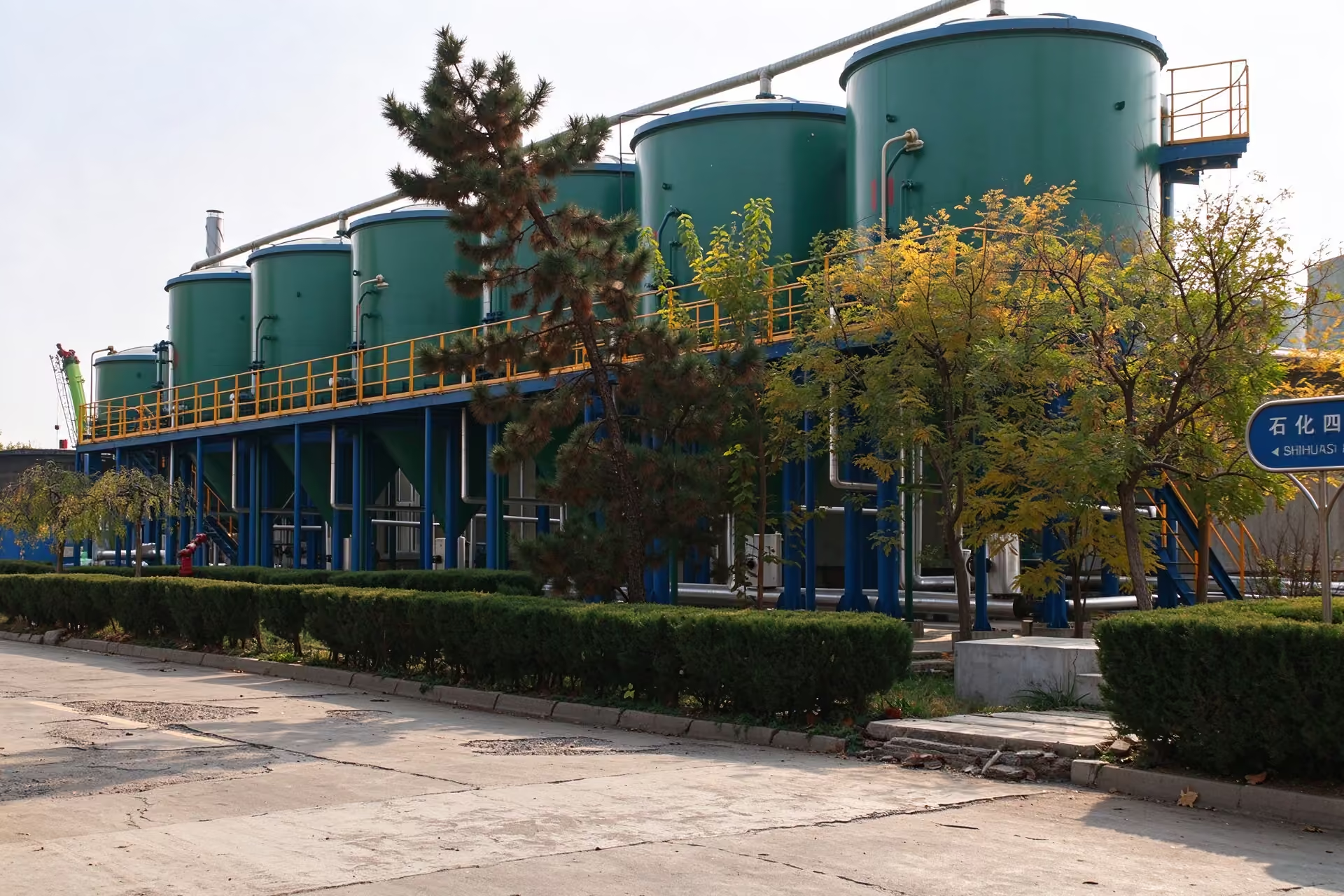
An automatic circulating water monitoring system for chemical plants is a practical digital solution to tackle high energy and water waste in cooling water loops. For chemical manufacturing sites, circulating cooling water systems consume massive volumes of electricity and water. Traditional circulating‑water management still heavily depends on manual site inspections and operator experience. Operators collect grab water samples every two hours, yet test results come with significant time delays. Chemical dosing, blowdown operations, and cooling‑tower fan startup or shutdown are adjusted based on subjective judgment rather than real‑time operational data.
This outdated workflow triggers substantial chemical waste and hidden energy‑consumption risks. Improper manual operations degrade heat‑exchanger thermal efficiency, forcing circulating pumps and cooling‑tower fans to consume an extra 15%‑20% of electrical power unnecessarily. As energy costs keep rising globally, chemical operators are actively searching for automated solutions to boost resource efficiency and meet carbon‑reduction goals.
Shandong Dongrun Instrument Science and Technology Co., Ltd., a national high‑tech and “Little Giant” enterprise exporting products to over 70 countries worldwide, has launched an automatic circulating‑water monitoring system for chemical plants. The solution upgrades manual‑driven management to intelligent digital governance, combining fully‑automatic online water‑quality analysis and closed‑loop control logic to support unattended, energy‑saving plant operation.
Three Proven Energy‑Saving Mechanisms of the Automatic Circulating Water Monitoring System for Chemical Plants.
First, eliminate idle power loss caused by excessive safety design margins. Many chemical plants run circulating pumps and cooling‑tower fans at full load around‑the at full load around‑the‑clock to guarantee production safety. Dongrun’s system continuously tracks return‑water temperature, temperature differential and ambient wet‑bulb temperature. It calculates the minimum required air flow and water flow, then executes precise adjustments through frequency‑conversion modules. In one chemical‑park deployment, average circulating‑pump speed dropped by 12%, cooling‑tower fan operating hours were reduced by 30%, generating roughly 450 000 kWh of annual electricity savings.
Second, optimise cycles of concentration automatically and minimise ineffective water circulation. Real‑time readings of conductivity, pH value and water hardness drive dynamic blowdown‑valve regulation. The system stabilises cycles of concentration within the optimal economic range of 5‑7 times, avoiding common manual‑operation pitfalls of over‑blowdown or insufficient blowdown. Industry‑verified data shows every 0.5‑fold increase in cycles of concentration cuts makeup‑water and blow‑off‑water volume by 8%‑10%, while lowering pumping energy consumption at the same time.
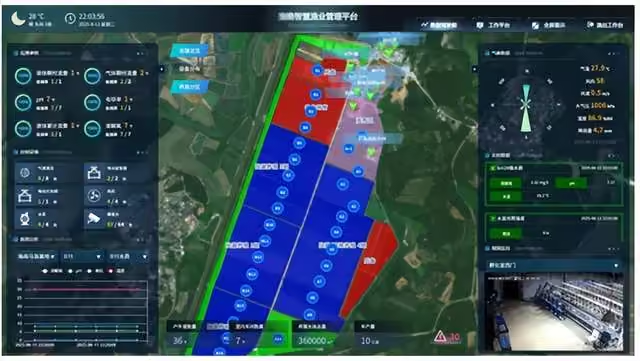
Third, predictive maintenance prevents high‑cost emergency repairs. Operating 7 × 24 hours, the monitoring platform tracks corrosion rate, turbidity, total iron and other key circulating‑water metrics. Early‑warning alerts are triggered once abnormal trends emerge, prompting timely heat‑exchanger cleaning or chemical‑formula adjustment. Compared with the conventional “fail‑then‑repair” mode, heat‑exchange efficiency stays consistently high. It avoids sharp power‑consumption surges for compressors and pumps caused by scaling and fouling.
Field deployments across multiple chemical process units confirm overall energy‑saving rates of 12%‑18% using Dongrun’s automatic circulating‑water monitoring solution. Meanwhile, sites achieve around USD 21 000 annual labour‑cost reduction by cutting routine manual sampling and inspection work. Moving from labour‑intensive manual oversight to reliable unattended intelligent operation makes tangible energy‑and‑consumption‑reduction achievable for chemical facilities.
Visit https://www.cndongrun.com/ to explore industrial water‑monitoring solutions for your plant.