Skip to content

Within chemical plant circulating water loops, one major energy drain often flies under the radar: frequent heat exchanger cleaning.
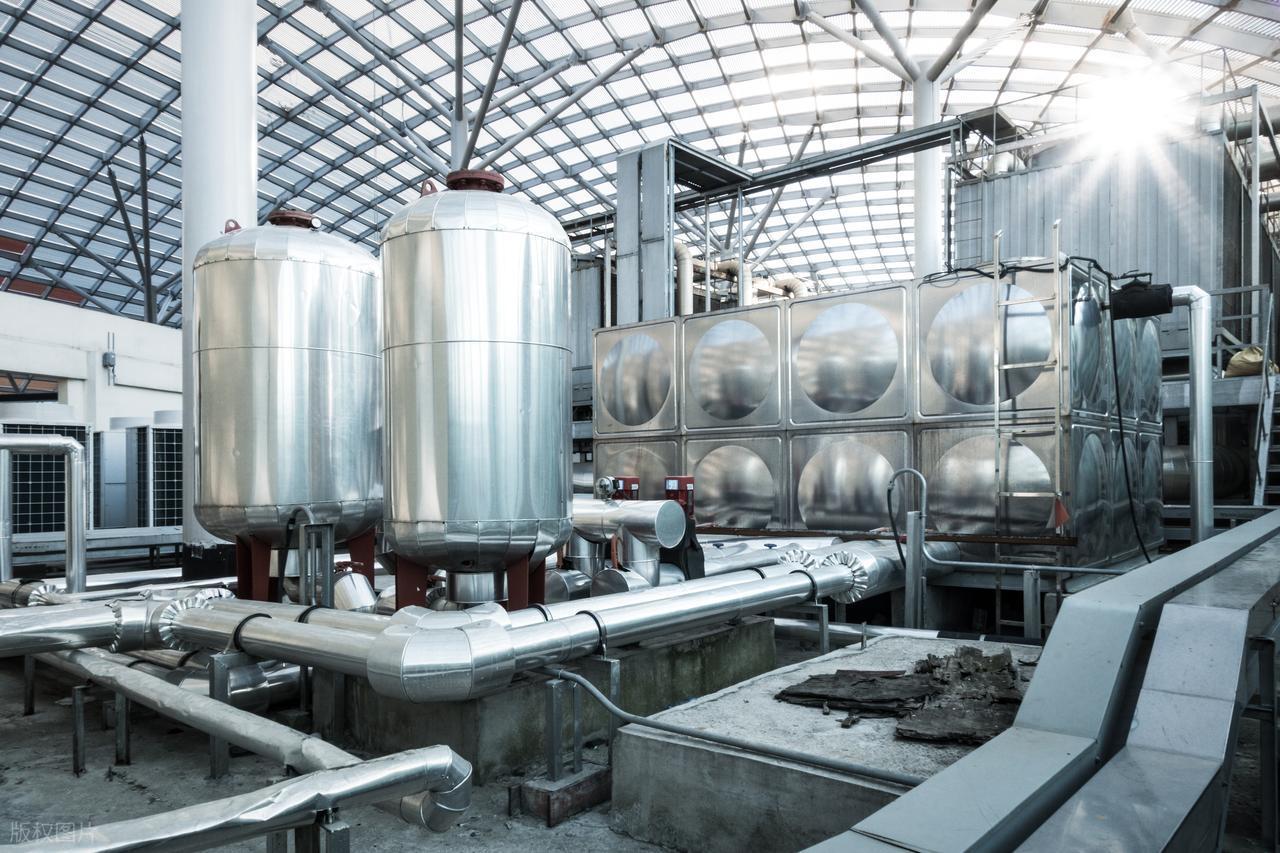
Many facilities follow fixed, schedule-based cleaning routines rather than cleaning based on actual fouling conditions. Each cleaning cycle requires system shutdown, draining, and steam purging. After cleaning, the system runs at heavy load for hours to stabilize. The combined energy and production losses for a single cleaning event can run into tens of thousands of dollars. Scheduled cleaning creates two costly scenarios: premature cleaning wastes chemicals, labor and energy; delayed cleaning leads to rapid heat transfer efficiency loss and sharp spikes in energy consumption.
Dongrun Instruments’ automatic circulating water monitoring system delivers data-driven cleaning decisions by tracking fouling resistance in real time. Multi-parameter sensors continuously monitor key water quality metrics including turbidity, total iron, and calcium hardness. Combined with temperature differential readings across the heat exchanger inlet and outlet, the system calculates the real-time fouling resistance value. If the fouling resistance stays below the pre-set threshold, the system confirms the unit can keep operating safely. A cleaning alert is triggered only when fouling resistance exceeds the alarm limit. No more blind, routine cleaning.
A petrochemical plant that deployed Dongrun’s system achieved outstanding results: The heat exchanger cleaning interval was extended from 3 months to 7 months, cutting 3 cleaning operations every year. With combined energy and downtime losses valued at $18,000 per cleaning, the site saves $54,000 annually from this optimization alone. By eliminating excessive cleaning, mechanical wear on heat exchanger tubes is also reduced, extending equipment service life by 2–3 years.
Dongrun’s circulating water monitoring solution takes energy efficiency a step further. Beyond cutting water and chemical consumption, it unlocks savings by reducing unnecessary cleaning and protecting your capital equipment. Replace guesswork with reliable data, and make every kWh and every maintenance hour count.