River outfalls are critical control points in watershed environmental management. For industrial customers and environmental authorities alike, monitoring these discharge points is no longer just a compliance requirement—it is a proactive way to protect water quality, reduce regulatory risk, and identify pollution events before they escalate.
A well-designed online water quality monitoring system for river outfalls enables real-time monitoring of pollutant discharges, supports pollution tracing and early warning, and ensures reliable data transmission to environmental regulatory platforms. Shandong Dongrun Instrument delivers an integrated end-to-end solution, covering site investigation, scheme design, equipment supply, installation and commissioning, and platform connection.
1. Start with a thorough site assessment
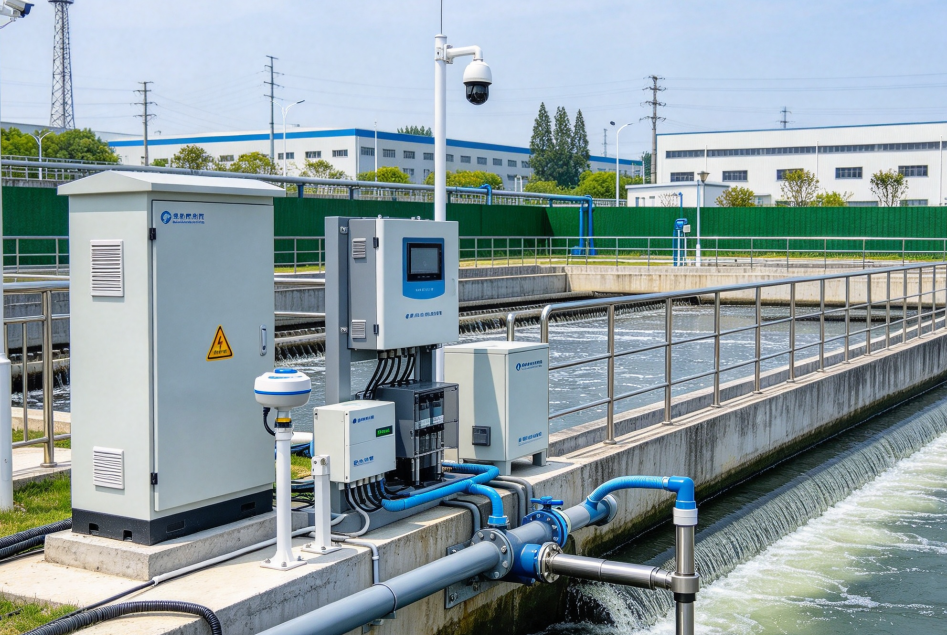
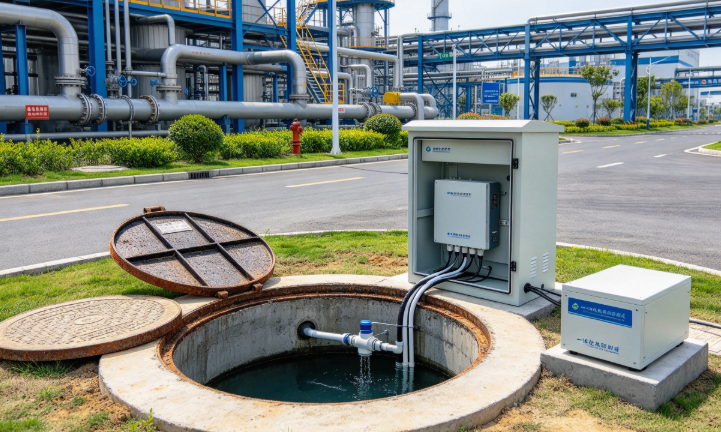
Every river outfall has its own characteristics. The first step in building an effective monitoring system is to understand the local conditions, including discharge flow, turbidity, sediment load, low temperatures in winter, flood impacts during rainy seasons, and the risk of debris clogging.
This site assessment helps determine the best sampling location, the most suitable equipment configuration, and the right pretreatment method. By avoiding areas prone to sediment deposition or blockage, operators can reduce maintenance frequency and improve data reliability.
2. Select the right parameters and equipment
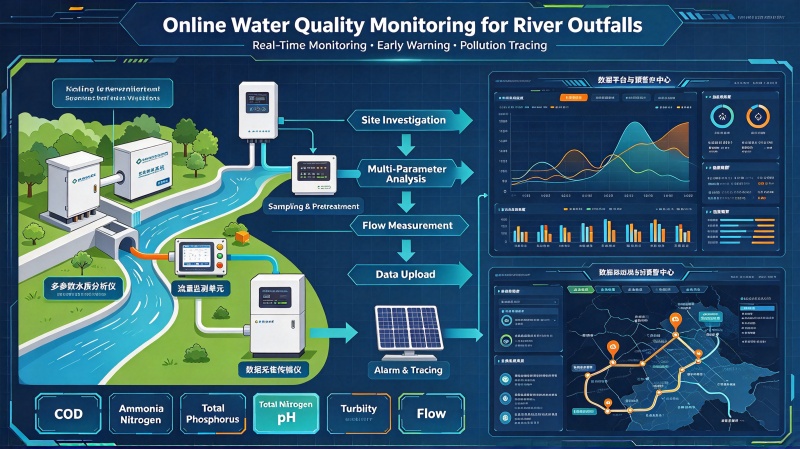
A robust outfall monitoring plan should include both water quality parameters and flow measurement. The system can be configured to monitor COD, ammonia nitrogen, total phosphorus, total nitrogen, pH, turbidity, and other parameters, while also collecting real-time flow data at the discharge point.
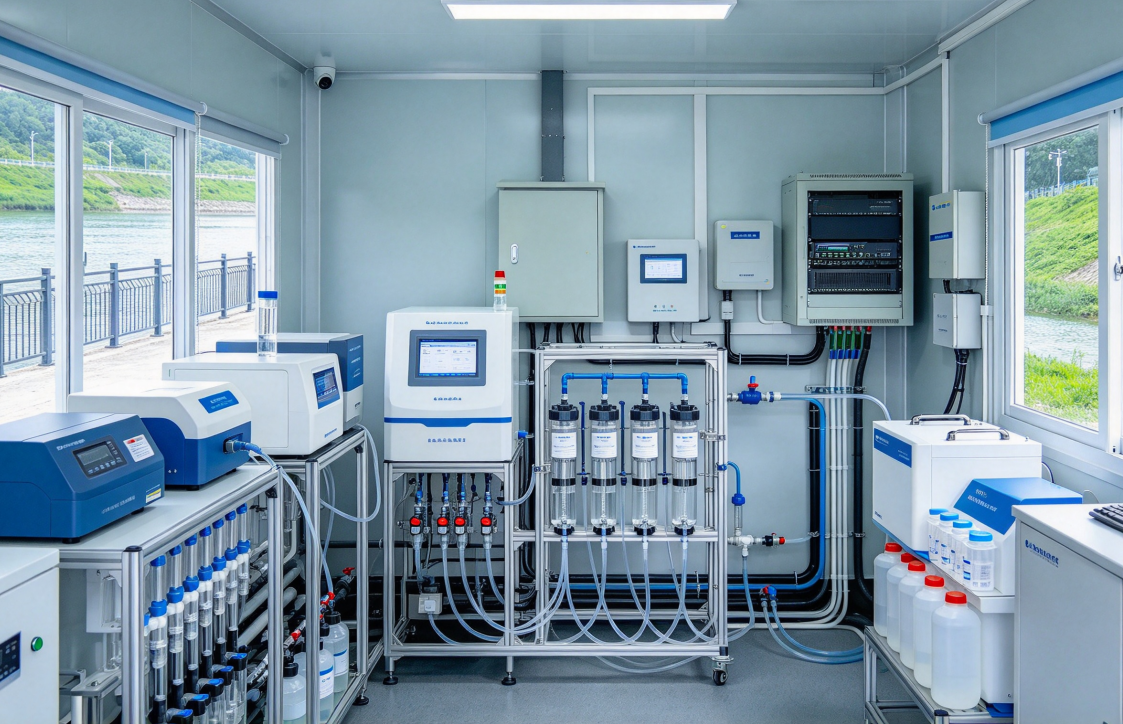
Shandong Dongrun Instrument’s solution integrates multi-parameter water quality analyzers, automatic sampling and pretreatment units, flow monitoring modules, and data acquisition and transmission instruments. This combination provides continuous discharge data rather than intermittent laboratory samples, giving operators a clearer view of actual pollution loads.
3. Build reliability into complex field conditions
River outfalls are often harsh monitoring environments. High sediment content, large water quality fluctuations, debris, humidity, and temperature changes can affect equipment performance and data stability.
To address these challenges, the monitoring system should include automatic cleaning, sample retention after abnormal events, and alarm functions. Pretreatment units are especially important for filtering suspended solids and reducing fouling, helping to keep sensors clean and measurements stable over long periods.
4. Connect monitoring data to management action
Data is only valuable when it can be used quickly. The monitoring system should support standard environmental protocols and allow real-time data upload to local environmental management platforms. When pollutant concentrations exceed predefined limits, the system can automatically send early warnings, giving operators and regulators time to investigate the source and take corrective action.
Remote access to data curves, historical records, and alarm information also improves operational efficiency. Instead of waiting for manual sampling results, plant managers and environmental officers can respond to anomalies while they are still manageable.
5. Plan power supply and communication for continuous operation
River outfalls are sometimes located far from factory buildings or central control rooms. For this reason, power supply and communication should be planned carefully in advance. The solution can be designed with grid power or solar power, depending on site conditions, and should support 4G/5G and wired or wireless data transmission.
Stable communication ensures that monitoring data reaches the platform on time, while reliable power management helps the system operate continuously through weather changes and grid interruptions.
6. Use local equipment and long-term operational support
Choosing a domestic integrated monitoring solution with professional operational services can make a significant difference in long-term performance. Regular inspection, calibration, and maintenance help prevent unexpected downtime and ensure that the monitoring system remains accurate and compliant.
Shandong Dongrun Instrument provides a complete package of domestic monitoring equipment and after-sales support. By combining reliable hardware, smart data management, and professional maintenance services, the solution helps standardize river outfall supervision and supports systematic watershed environmental management.
Conclusion
An effective online water quality monitoring plan for river outfalls is built on six key elements: careful site assessment, appropriate parameter selection, durable field equipment, fast data connectivity, reliable power and communications, and long-term operational support.
For industrial operators and environmental management organizations, the goal is clear: monitor discharges continuously, detect anomalies early, provide reliable evidence for compliance, and protect the receiving water environment. With the right system in place, river outfall monitoring becomes more than a regulatory requirement—it becomes an important part of responsible water management.