Rainwater‑sewage cross‑connections, wet‑weather overflows, and concealed illegal discharges are common pain points in industrial park water environment management. Industrial parks gather diverse manufacturing tenants with variable production schedules, which leads to random, intermittent wastewater discharge events that are extremely hard to capture by routine inspections. Traditional manual inspection cannot detect pipeline network anomalies in real time, resulting in wide‑spread regulatory blind spots. Field patrols consume substantial manpower and time, and many pollution incidents only get noticed after downstream water bodies suffer visible contamination. This reactive management mode increases compliance risks for park operators and may trigger environmental penalties for enterprises within the zone.
A complete online water quality monitoring solution for industrial park rainwater and sewage networks is the key to achieving fine‑grained drainage management and meeting environmental compliance requirements. Dongrun has deep practical experience in park water environment monitoring, with 26‑year expertise developing industrial water‑quality sensors and system integration solutions delivered to more than 70 countries worldwide. We can provide customized end‑to‑end solutions for online monitoring of rainwater and sewage networks, instead of supplying isolated instruments without on‑site adaption support.
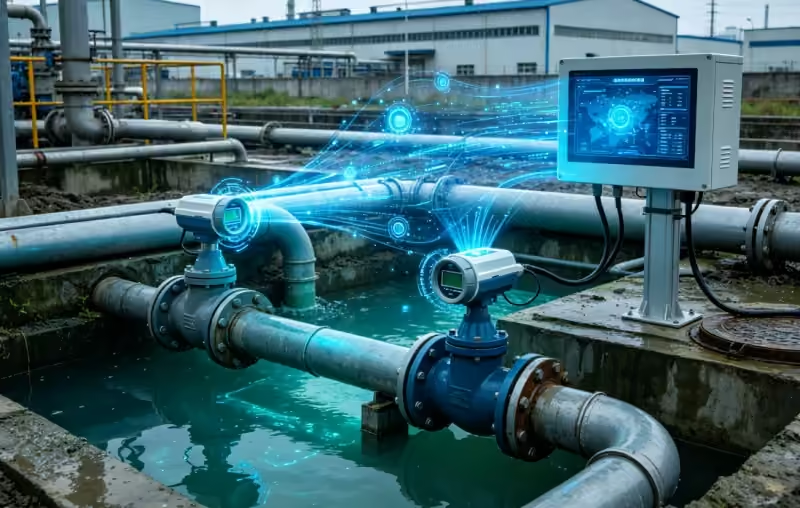
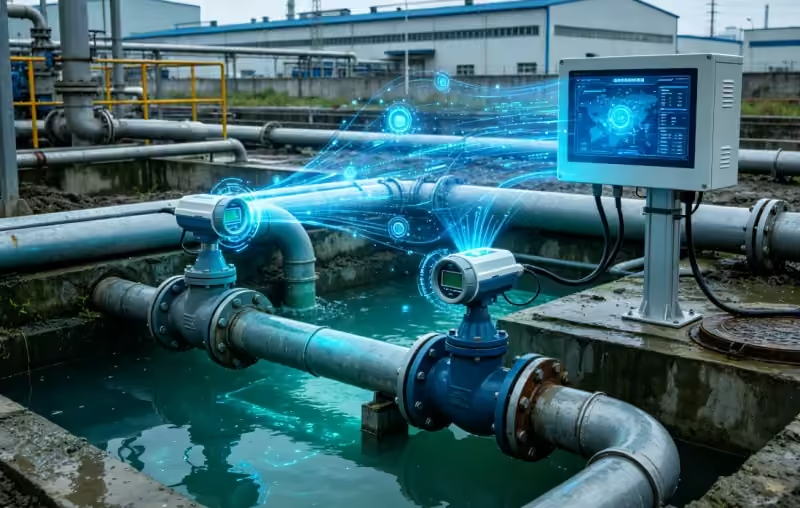
This solution deploys monitoring points strategically at rainwater pipelines, sewage pipelines, branch nodes, manholes, and main discharge outlets across the industrial park. Equipped with multi‑parameter water quality monitoring instruments, it enables 24/7 real‑time monitoring of core parameters such as pH, COD, ammonia nitrogen, turbidity, total phosphorus, and total nitrogen. Combined with high‑performance flow monitoring modules, the system accurately captures real‑time drainage volume and drainage conditions of the entire pipeline network, not merely water quality readings.
The instruments are specially adapted to harsh underground sewer conditions such as high humidity, heavy sludge accumulation, high impurity levels, and corrosive sewage vapor. With built‑in automatic cleaning mechanisms, they effectively prevent sensor fouling, biofouling and sediment adhesion — one of the biggest failure causes for submerged sewer sensors — and ensure long‑term stable monitoring performance with reduced manual maintenance workload. Without large‑scale excavation or reconstruction of existing pipe infrastructures, most monitoring terminals can be retrofitted onto current manhole facilities, cutting project investment and construction downtime significantly.
The solution can accurately identify typical problematic scenarios, including rainwater‑sewage cross‑flow, dry‑weather direct sewage discharge, wet‑weather overflow pollution, intermittent illegal discharges, and abnormal pollutant surges from factory production shifts. Water quality and flow data is stored in real‑time on local edge devices and cloud servers. Once measured values go beyond pre‑configured threshold values, automatic alarms will be pushed via cloud platform messages. This helps operation and maintenance personnel quickly trace pollution sources and locate problematic pipe sections, shifting from post‑incident investigation to proactive early warning management.
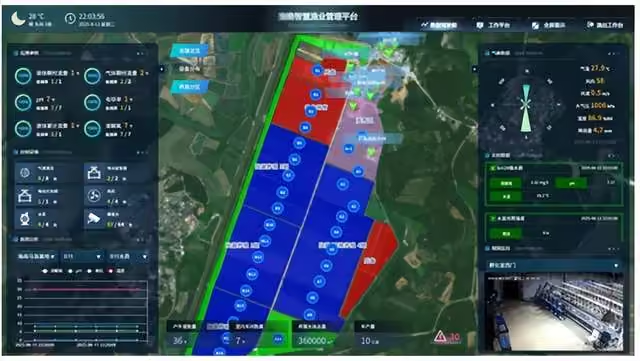
All monitoring data supports automatic storage, trend curve visualization and standardized report generation. The whole system is fully compatible with the HJ212 environmental data transmission protocol, and can be seamlessly connected to the park’s smart management platform and local environmental protection authority systems, enabling unified data visualization, digital management and traceable compliance documentation. Historical datasets further deliver objective evidence for environmental audits, discharge assessment and drainage‑network renovation planning.
According to park size, industry type, pipeline layout and local regulatory requirements, https://www.dongrun‑instrument.com/ can tailor lightweight, highly adaptable rainwater and sewage network monitoring solutions for small‑scale industrial zones as well as large comprehensive industrial parks. We provide full‑cycle end‑to‑end services including site survey, equipment supply, installation and commissioning, platform integration, and after‑sales technical support. Our goal is helping industrial parks address complex rainwater‑sewage mixed‑discharge management challenges, lower non‑compliance risks, and achieve stable long‑term discharge control.