Skip to content

Why Industrial Plants Must Replace Manual Chemical Dosing with Smart Cooling Water Automation? Manual chemical dosing in industrial cooling water systems is not merely outdated—it is a hidden cost center that erodes heat-transfer efficiency, inflates chemical spend, and exposes operations to unplanned downtime. As production cycles intensify and water quality fluctuations become sharper, the “dose by experience, check by schedule” model can no longer keep pace. A smart circulating water monitoring and automatic dosing system offers a measurable path out of this inefficiency.
The Real Cost of Manual Dosing: Three Failures That Compound
Traditional cooling water management relies on periodic manual sampling and operator judgment. The consequences fall into three interlinked categories. First, under-dosing allows scale and corrosion to take hold on heat exchanger surfaces. Even a thin scale layer imposes an insulating barrier, forcing pumps and chillers to work harder. Second, over-dosing wastes chemicals and creates secondary problems: excess polymer or biocide generates foam, degrades heat transfer, and raises effluent treatment loads. Third, delayed response means that by the time a lab result reveals a pH swing or a conductivity spike, the system has already drifted into a risk zone. The cumulative effect is a slow but relentless rise in maintenance burden and energy consumption—costs that rarely appear on a single invoice but show up in every quarter’s operating budget.
✅ How Our Cooling Water Automatic Dosing System Delivers Closed-Loop Control
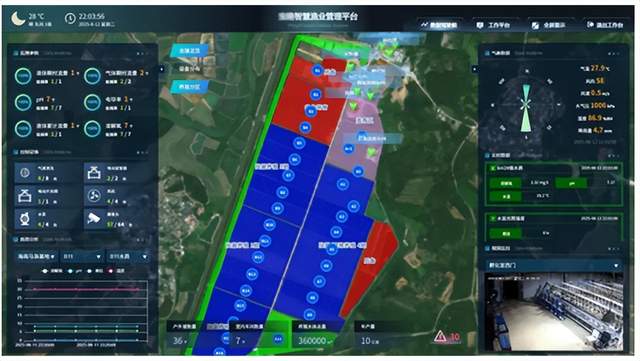
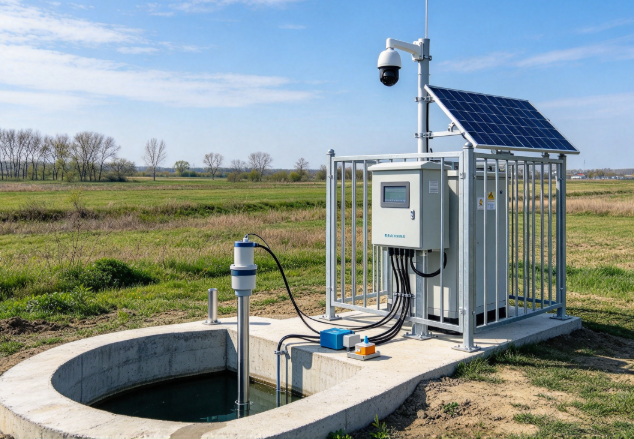
A professional intelligent monitoring and automatic dosing solution replaces the manual loop with a continuous, closed-loop control architecture. High-precision online sensors track pH, conductivity, residual chlorine, and turbidity in real time. An intelligent controller analyzes these signals against setpoints and adjusts dosing pump output automatically—no operator intervention required for routine control. The practical result is a shift from reactive dosing to predictive, demand-based dosing. When make-up water quality shifts or production load changes, the system detects the deviation and corrects the chemical feed before scaling or biofouling gains a foothold. Data is logged continuously for traceability, and anomalies trigger alerts for remote management.
The Quantified Payoff: Less Chemical Waste, Lower Energy Draw
The economic case is not theoretical. Manual dosing typically carries an error of roughly ±25%; closed-loop automatic control can compress that to within ±3%. In one chemical fiber plant, switching to automatic dosing reduced scale inhibitor consumption from 4.2 tons per month to 2.8 tons, saving approximately 85,000 annually in chemical costs alone. Because foam generation dropped, the heat exchanger temperature differential narrowed from 3.2°C to 2.1°C, and cooling tower fan power consumption fell 14%, delivering a further RMB 110,000 in annual electricity savings. Avoiding under-dosing pays back differently: a petrochemical application reported zero scale-related heat exchanger cleanings over a full year, preserving roughly RMB 220,000 in cleaning energy and lost-production costs. Industry-wide, precise dosing is associated with 15–40% reductions in chemical consumption.
Built for Real Industrial Conditions, Not Ideal Ones
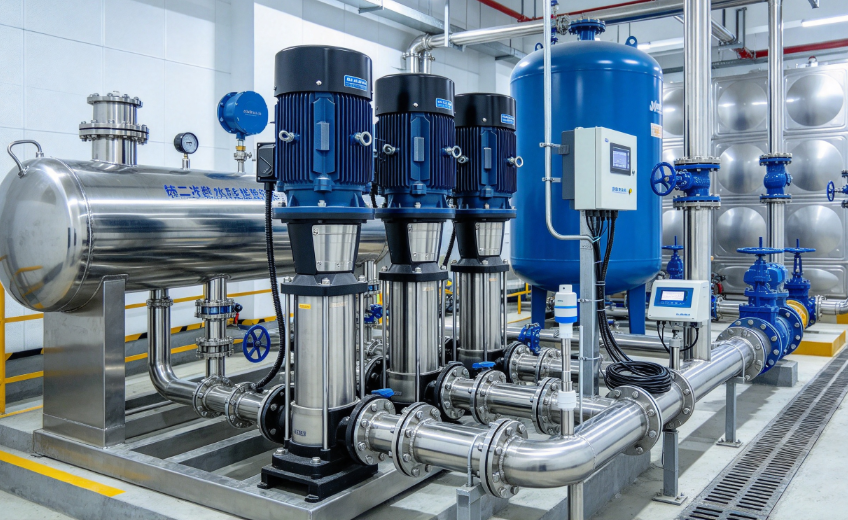
A practical solution must fit both new builds and aging systems. The Dongrun Instrument intelligent monitoring and automatic dosing package integrates sensors, a control cabinet, automatic dosing units, and a cloud monitoring platform into a compact, installable configuration that does not require major piping modifications. It serves chemical, thermal power, metallurgy, food processing, and manufacturing cooling loops, where load profiles and water chemistry vary widely. The core requirement is not a single “perfect” setpoint but a system that senses change and responds proportionately—shift after shift, season after season.
For plants still dosing by hand, the question is no longer whether automation is worth the investment. The more useful question is how much scale, corrosion, and wasted chemical the current manual approach is silently accumulating—and how quickly a closed-loop smart dosing system can stop that leak.