In chemical manufacturing, cooling systems are essential for stable production. But many plants operate with a large safety margin that is not always justified by actual process requirements. A common example is keeping circulating cooling water supply temperatures consistently low—often below 28℃—throughout the year. While this approach may seem safe, it frequently leads to significant energy waste, higher operating costs, and unnecessary wear on cooling equipment.
Shandong Dongrun Instrument helps chemical plants move beyond this “always colder is safer” mindset. Our automatic circulating water monitoring system identifies over-cooling in real time, optimizes cooling water supply temperature, and enables dynamic control of cooling tower fans and circulation pumps. The result is lower energy consumption, reduced operating costs, and more stable heat exchanger performance—without compromising process safety.
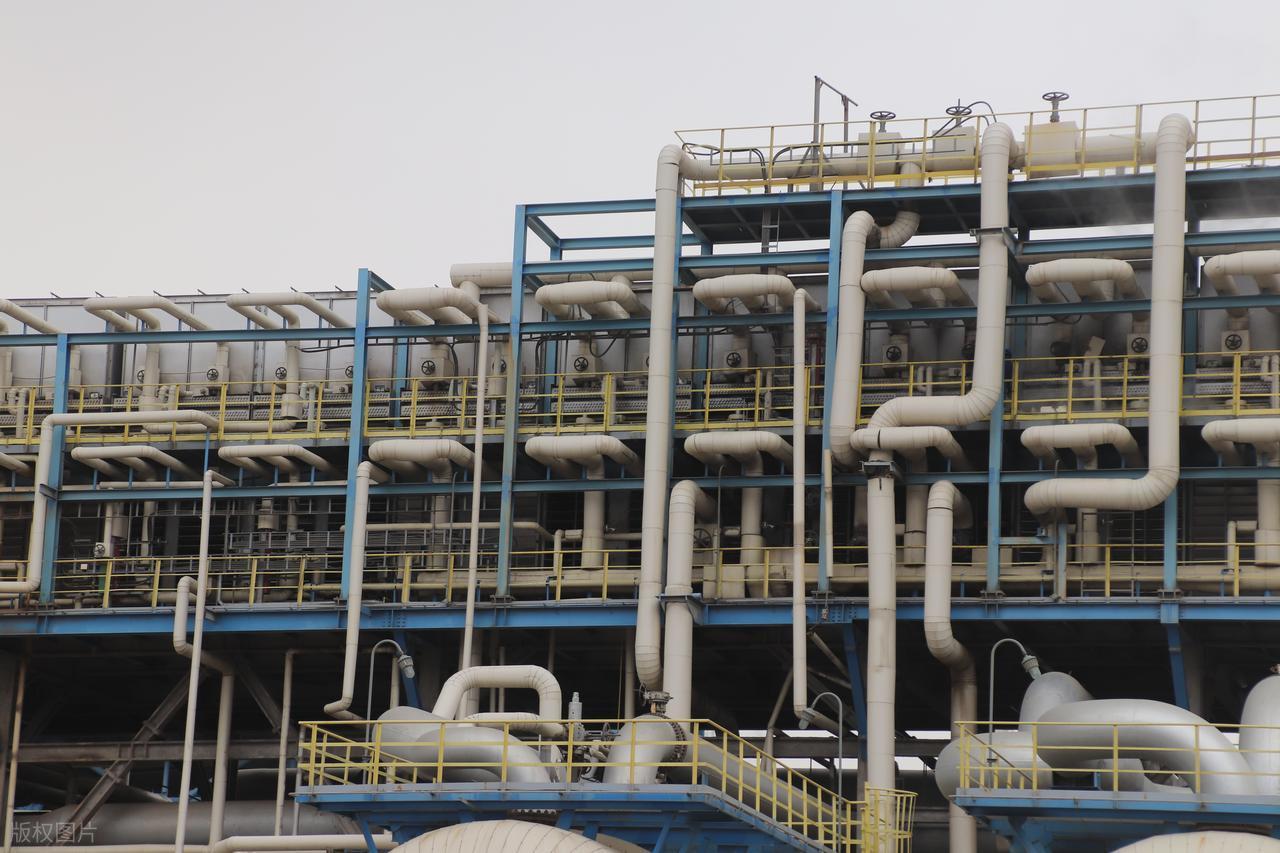
1. The hidden cost of over-cooling in chemical plants
Over-cooling occurs when the cooling water supply temperature is lower than necessary to meet process requirements. In many cases, heat exchangers do not need extremely cold water to operate effectively, but the entire plant is cooled as if every unit requires the same low temperature.
The energy penalty can be substantial. For every 1℃ reduction in circulating water supply temperature, cooling tower fans and circulation pumps may consume significantly more power. When plants maintain temperatures well below actual demand, the extra energy use accumulates quickly across months and years, increasing electricity costs and carbon emissions.
2. Real-time monitoring identifies where cooling is being wasted
Dongrun’s system addresses over-cooling by monitoring each heat exchanger’s outlet temperature and the temperature difference required by the process. Instead of relying on fixed, conservative setpoints, the system continuously evaluates whether the cooling load is being met efficiently.
By tracking heat exchanger outlet temperatures, process-side requirements, and the performance of individual cooling branches, the system can pinpoint areas where supply temperature is unnecessarily low. This allows plant operators to move from a one-size-fits-all cooling strategy to zone-based temperature control.
3. Intelligent optimization calculates the best supply temperature
The core of Dongrun’s solution is an energy optimization algorithm that calculates the optimal circulating water supply temperature based on several real-time factors, including:
- Ambient wet-bulb temperature
- Current production load
- Heat exchanger cooling requirements
- Cooling tower performance
- Circulation pump and fan operating conditions
Using this information, the system determines the highest supply temperature at which all process requirements can still be satisfied. It then adjusts cooling tower fans and circulation pump variable frequency drives dynamically, rather than maintaining an excessively low temperature throughout the entire network.
4. A practical case: higher supply temperature, lower energy consumption
A new materials chemical plant using Dongrun’s technology achieved significant results by raising the average circulating water supply temperature from 26.5℃ to 29℃ while ensuring all heat exchanger outlet temperatures remained within required limits.
Although the temperature increase was only 2.5℃, the operational impact was substantial:
- Cooling tower fan operating hours decreased by 28% per day
- Circulation pump electricity consumption fell by 11%
- Annual electricity savings exceeded 600,000 kWh
- Estimated annual cost savings reached approximately 480,000 RMB
This case demonstrates that small adjustments in cooling water temperature can deliver large economic benefits when managed systematically.
5. Branch-level control for low-load operation
Over-cooling often becomes worse when parts of the plant are operating at reduced load. If some production lines are running below full capacity while the cooling system remains at full low-temperature operation, energy is wasted across the entire network.
Dongrun’s system continuously monitors heat load changes in each branch. When part of the plant operates at lower load, the system automatically raises the supply temperature for that branch, avoiding the inefficiency of uniform low-temperature cooling. This kind of refined temperature control also helps reduce condensation and water recovery losses caused by excessive cooling.
6. Better energy visibility supports sustainable plant management
Beyond immediate cost savings, Dongrun’s automatic circulating water monitoring system gives chemical plants greater visibility into their cooling operations. Operators can see which heat exchangers are meeting requirements, which branches are consuming excess cooling capacity, and where temperature setpoints can be adjusted without risk.
This information is valuable not only for daily operation but also for energy audits, sustainability reporting, and continuous improvement. By eliminating over-cooling, plants can reduce energy consumption, lower utility costs, extend equipment life, and support more sustainable manufacturing operations.