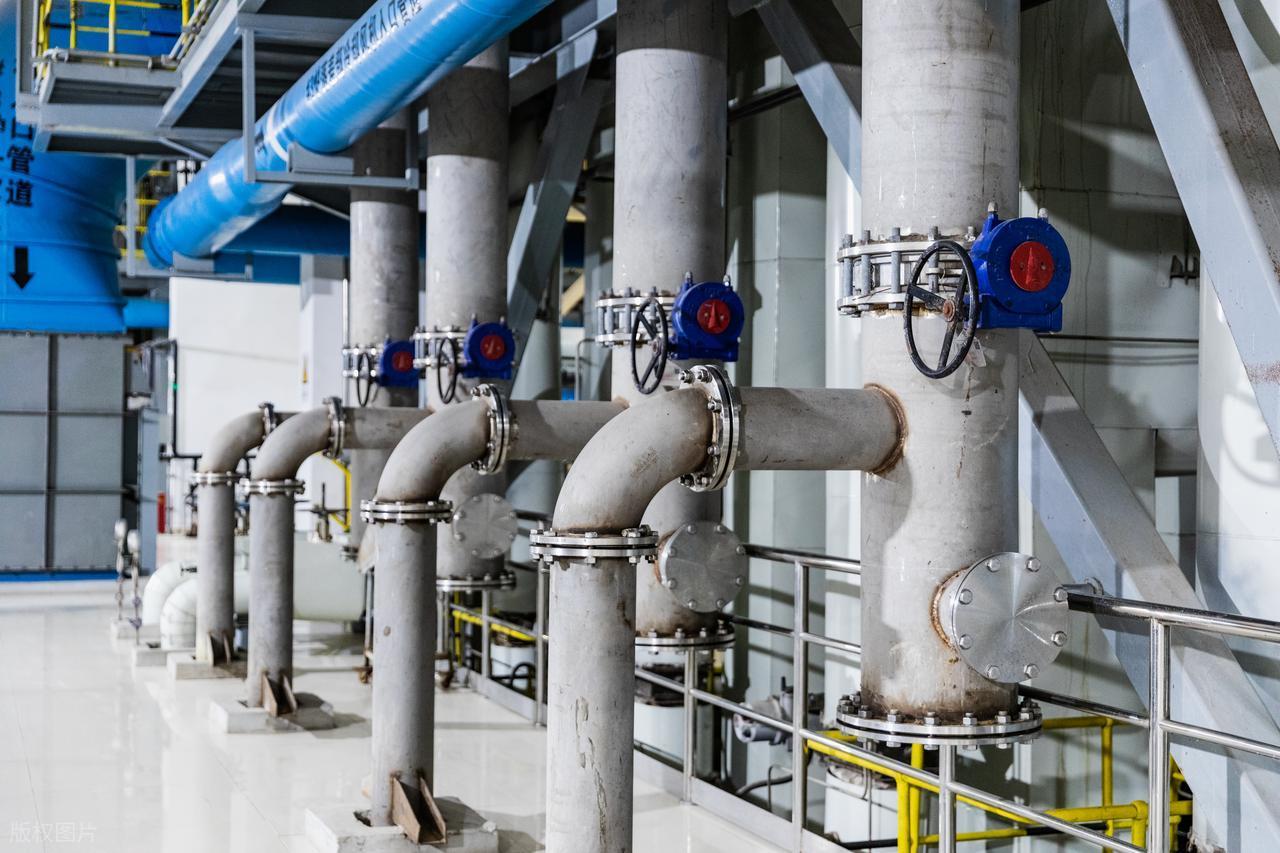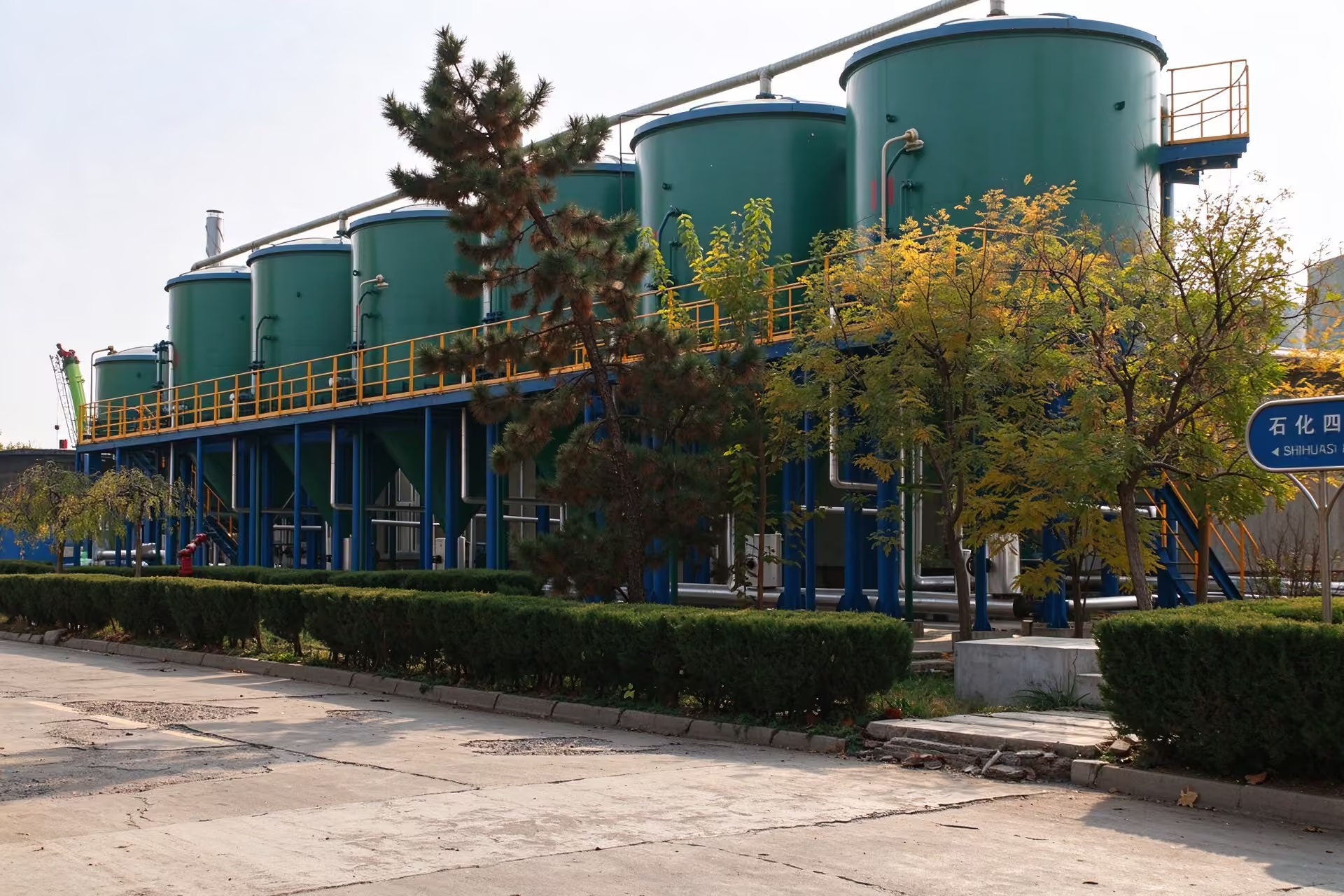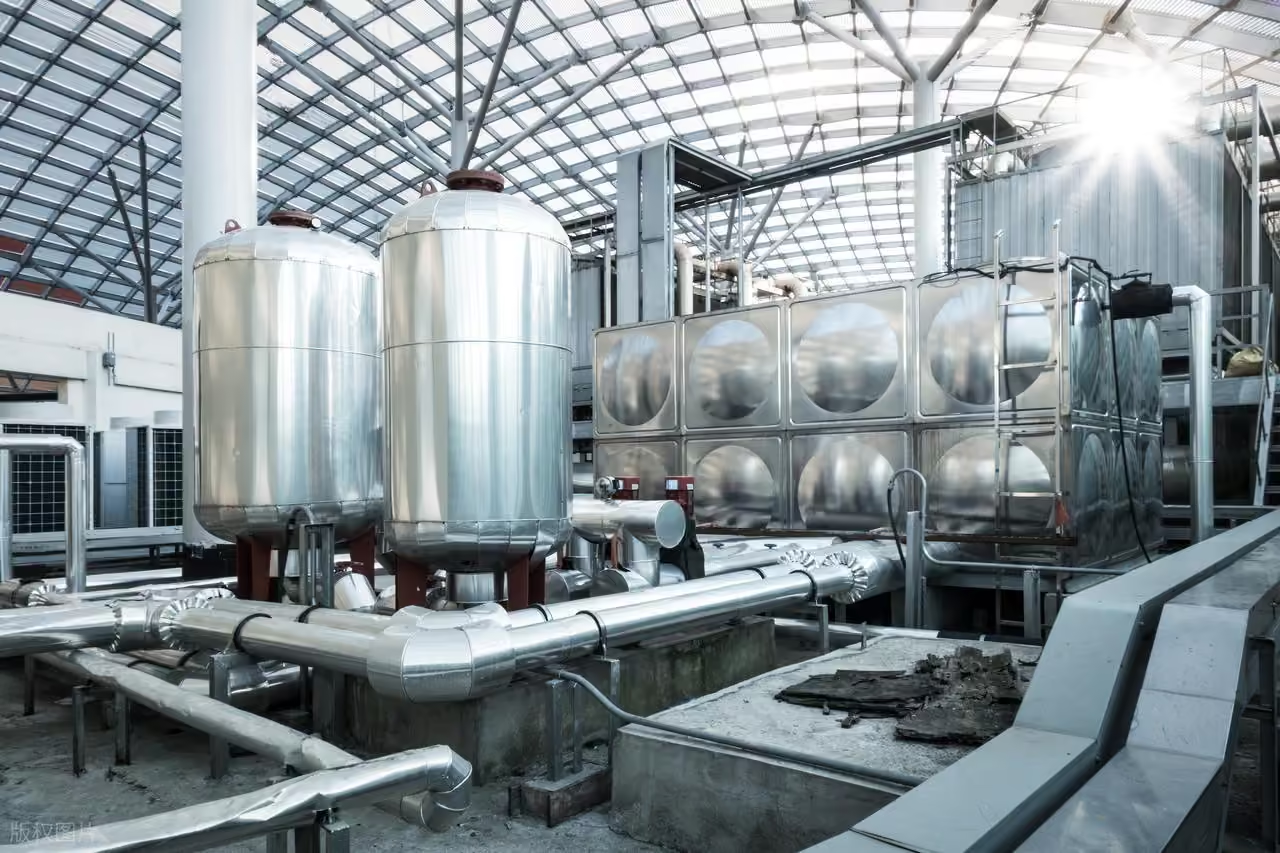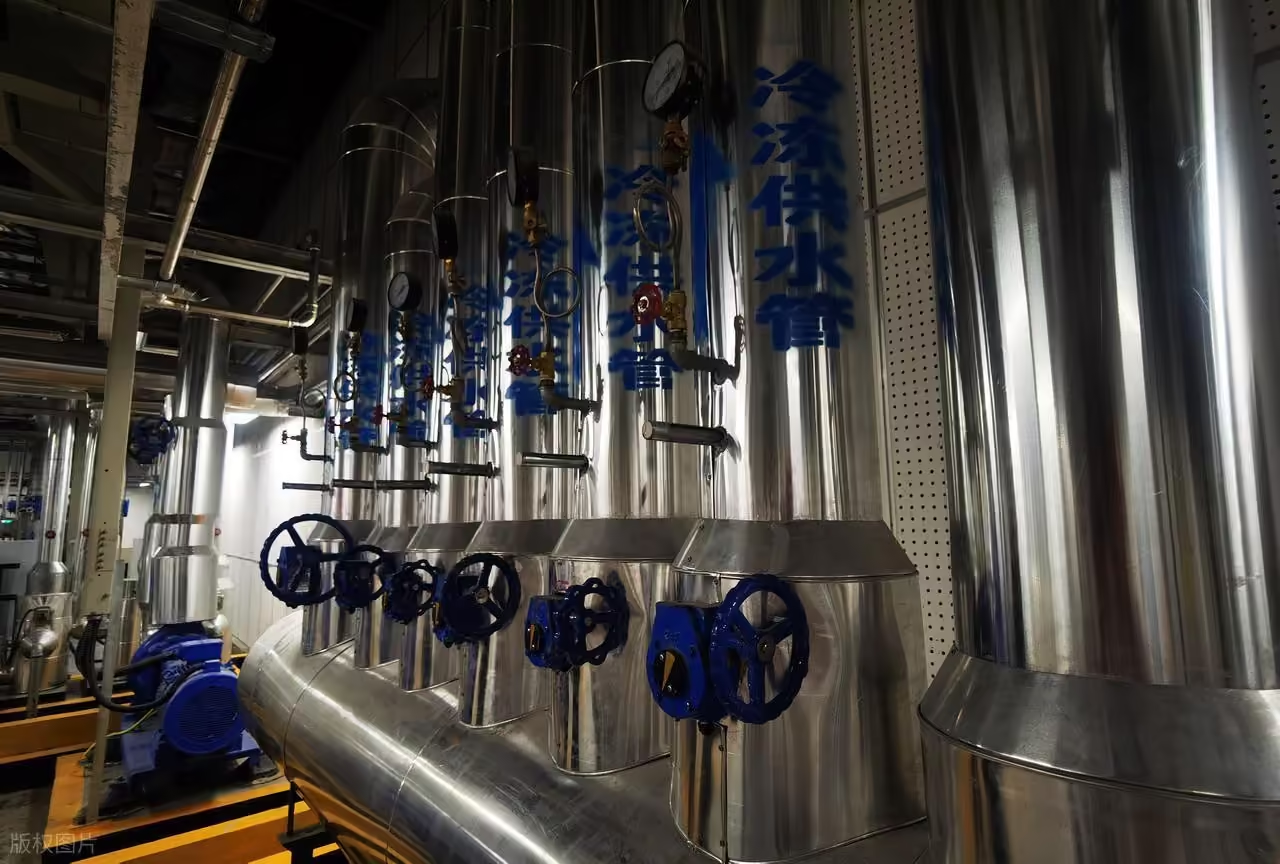
A chemical plant circulating water system has a type of “invisible energy consumption” caused by hydraulic imbalance. Some heat exchangers get excessive water flow while others suffer insufficient flow. To meet the cooling demand of the worst working point, circulating pumps have to operate at higher head, resulting in massive waste of electrical energy. The chemical plant circulating water automatic monitoring system developed by Shandong Dongrun Instruments adopts multi-point distributed monitoring. It integrates and analyzes water quality data together with flow and pressure signals to accurately locate hydraulic imbalance points and eliminate this hidden energy loss from the source.
Energy Saving Path 1: Identify Overflow and Underflow to Optimize Pump Set Operation
Integrated online instruments for temperature, pressure, and conductivity are installed on the return pipelines of key heat exchangers. The system compares the heat load and circulating water flow of each branch in real time. If a branch shows a small temperature difference (excessive water flow) and another branch has an oversized temperature difference (insufficient water flow), the system automatically provides valve adjustment suggestions or interlocks variable-frequency pumps to reduce speed.
On-site Energy Saving Result for Fine Chemical Plant
After deployment at a fine chemical enterprise, the power consumption of circulating pumps dropped by 17%, with annual electricity savings exceeding 500,000 kWh.
Energy Saving Path 2: Intelligent Backwashing of Side Filtration System to Cut Unnecessary Energy Consumption
Side filter backwashing is another energy-consuming link in circulating water systems. Traditional scheduled backwashing often runs longer than required, wasting both water and electricity. Dongrun Instruments’ system monitors the turbidity difference between filter inlet and outlet as well as operating time. AI algorithms judge the proper backwashing trigger point automatically and start backwashing only when the pressure difference reaches the preset threshold.
Measured Data from Engineering Project
In one field project, annual backwashing times of the side filtration system decreased from 365 to 180. This cut the power consumption of backwash pumps and water treatment energy cost by approximately 80,000 CNY per year.
Energy Saving Path 3: Water Quality-Energy Efficiency Digital Twin for Dynamic Operation Guidance
The system is equipped with a correlation model linking water quality and heat exchange efficiency. When indicators such as conductivity and hardness rise, the model predicts energy efficiency loss caused by scaling risks. It recommends the optimal combination of concentration ratio and circulating water flow. Factories no longer rely on empirical operation, but select the best working condition based on real-time energy efficiency curves. The comprehensive energy saving rate can reach 12%~18%.
Quantifiable Energy-saving Return of Dongrun Circulating Water Monitoring System
Dongrun’s chemical plant circulating water automatic monitoring system turns invisible energy consumption into quantifiable energy-saving potential. The payback period of the investment is generally within 8 months, making it one of the most cost-effective energy-saving renovation projects for chemical plants.
Visit https://www.cndongrun.com/ for more details about Dongrun circulating water monitoring instruments and solutions.