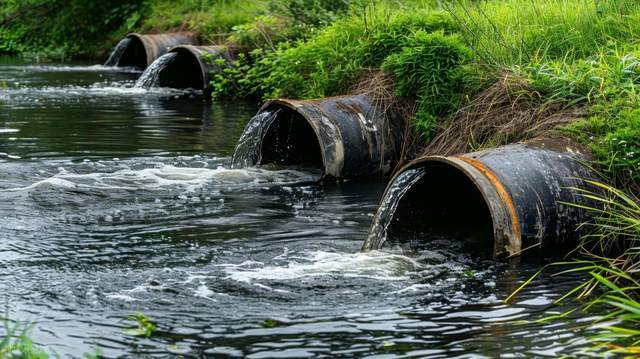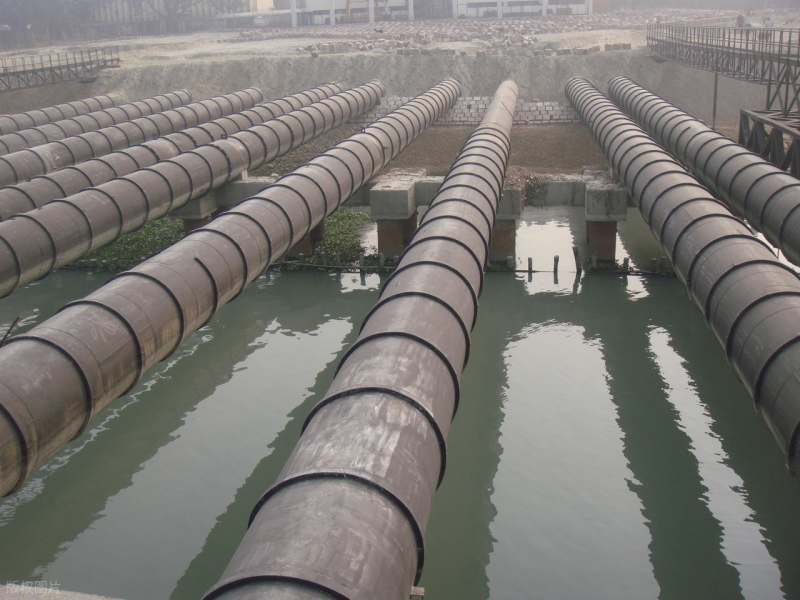
Traditional drainage network management is coarse and relies on manual inspections, resulting in significant monitoring blind spots, slow data updates, difficulties in pollution source tracing, and other issues, making it incompatible with modern smart water management standards.
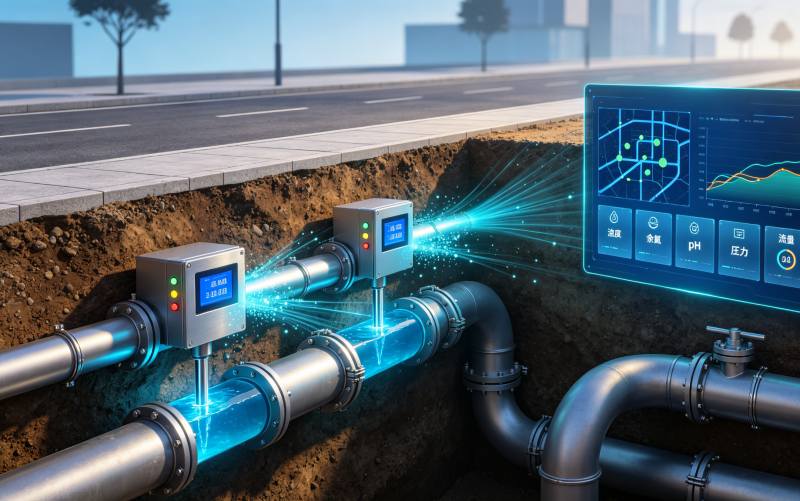
The traditional management model of drainage networks is simplistic, relying on manual inspections for troubleshooting. It has numerous problems such as large monitoring blind spots, slow data updates, and difficulties in identifying pollution sources. It cannot meet the standards of modern smart water management. The Shandong Dongrun Instrumentation Online Water Quality Monitoring System for Drainage Networks empowers network operation through intelligent equipment, significantly enhancing the precision of drainage network management.
The system is equipped with high-precision monitoring modules, which can monitor key water quality indicators such as COD, ammonia nitrogen, pH, turbidity, total phosphorus, and total nitrogen in real time online. It automatically collects, analyzes, and uploads data 24 hours a day without interruption, completely eliminating the limitations of manual sampling. The equipment is suitable for harsh working conditions of underground networks, such as dampness, tightness, and high impurity levels. It is corrosion-resistant, anti-interference, and can operate stably without human supervision for a long time.
For the common problems in urban drainage networks, such as combined rainwater and sewage flow, sewage overflow, concealed and illegal discharges by enterprises, and network leakage, the system can accurately detect abnormalities through real-time data fluctuations, issue immediate warnings when exceeding standards, and help staff quickly locate fault points and trace pollution sources, promptly carry out rectification and treatment. At the same time, the equipment can be connected to the smart water management control platform to achieve visual, digital, and intelligent control of network water quality data, completely retain monitoring data, meet the needs of environmental protection supervision and daily operation archiving, effectively reduce operation costs, and build a solid barrier for urban water environment governance.