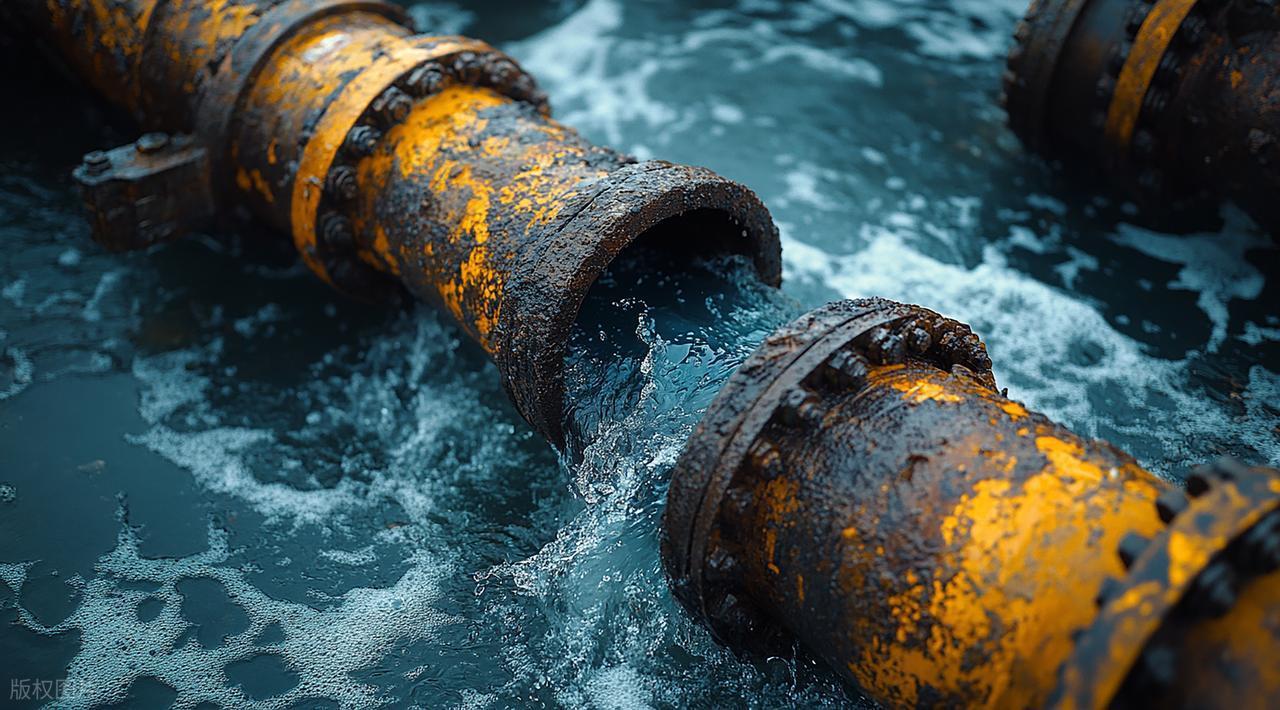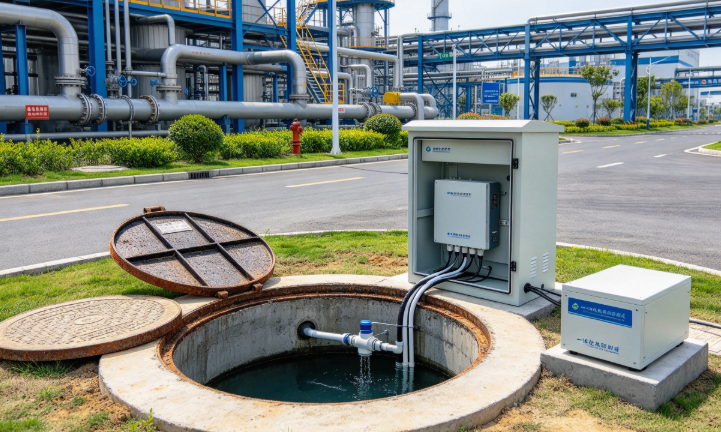
Drainage networks are among the most critical yet challenging assets in urban water management. Because pipelines are buried underground, monitoring their condition has traditionally relied on manual sampling, periodic inspection, and after-the-fact investigation. This approach is slow, labor-intensive, and often too late to prevent water quality problems from spreading into rivers and receiving waters.
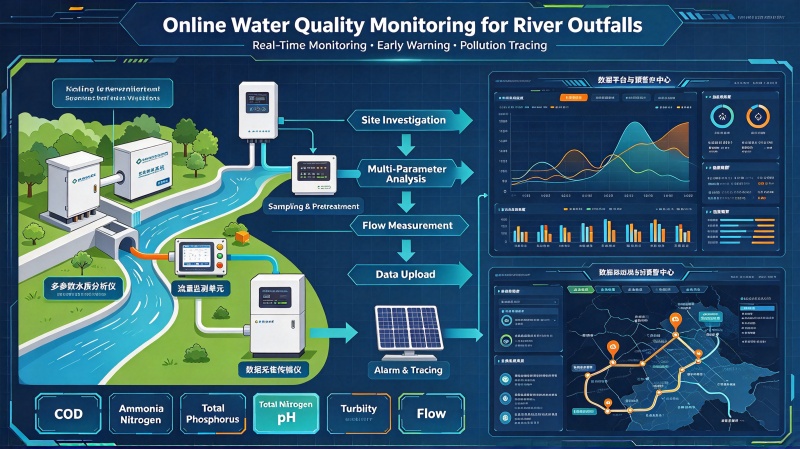
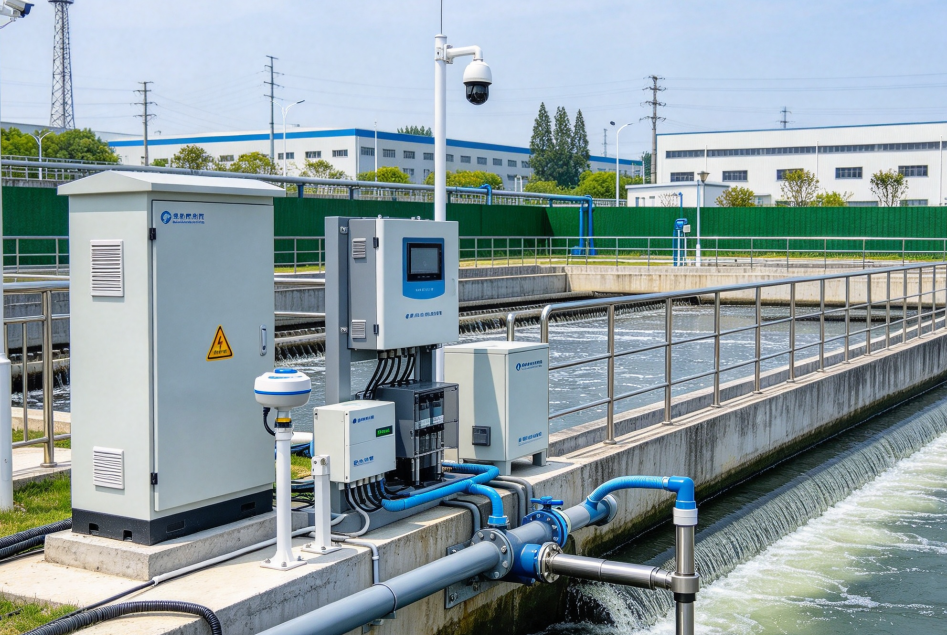
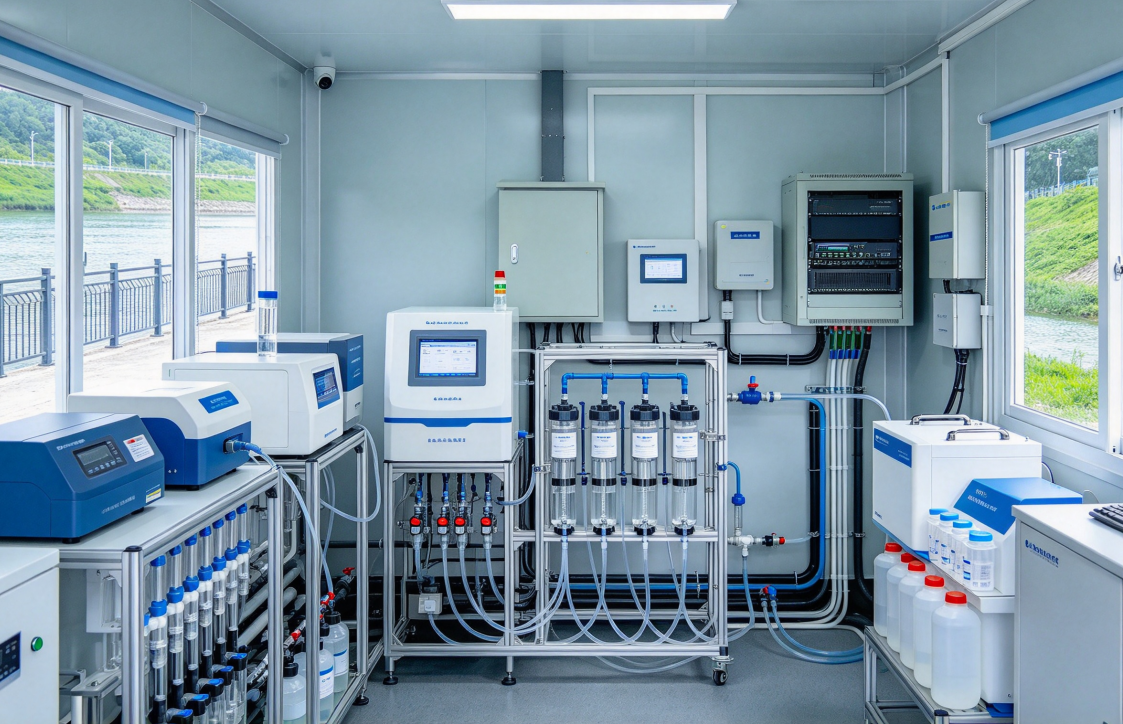
Shandong Dongrun Instrument has developed an intelligent online water quality monitoring system designed specifically for urban drainage network management. The system can be deployed at key points in municipal drainage networks, combined sewer systems, and interception pipelines, providing real-time collection of core water quality parameters such as COD, ammonia nitrogen, pH, and turbidity. By replacing intermittent manual checks with continuous monitoring, the system addresses long-standing operational pain points, including low inspection efficiency, sampling delays, and late detection of water quality anomalies.
1. Eliminate the limitations of manual sampling
Manual sampling in drainage networks is high-risk work. It often requires confined-space entry, heavy logistics, and experienced operators, while still providing only discrete snapshots of water quality. Many sewer networks cannot be monitored 24/7 using manual methods alone, which means pollution events can easily occur between sampling rounds.
Dongrun’s online monitoring system enables continuous, unattended measurement at strategic locations. Instead of waiting for laboratory results, operators can access real-time water quality data, making it possible to detect sudden changes early and respond before pollution levels escalate.
2. Detect illegal discharges and cross-connections faster
Illegal discharges, misconnections, and stormwater intrusion are common problems in older or complex drainage networks. These events are difficult to trace because they may occur intermittently, and their impact is often only discovered after river water quality has already deteriorated.
The Dongrun system helps operations teams identify abnormal water quality patterns automatically. When COD, ammonia nitrogen, pH, or turbidity readings exceed normal ranges, the system triggers an alarm and supports faster localization of the pollution source. This capability is particularly valuable for tracing illegal discharges, identifying stormwater and sewage cross-connections, and reducing the time between event occurrence and corrective action.
3. Reduce the impact of overflows and wet-weather pollution
Overflow pollution is a major concern in combined sewer systems and older municipal networks. During heavy rainfall or high-flow events, excess wastewater can overflow into receiving waters, causing sudden water quality deterioration and environmental compliance risks.
Online monitoring provides continuous visibility into wet-weather conditions. By tracking real-time changes in turbidity, pH, and other parameters, operators can better distinguish normal dry-weather flow from stormwater intrusion or overflow events. This information supports more effective scheduling of maintenance, cleaning, and emergency response, helping to reduce the environmental impact of overflows.
4. Improve operational efficiency and reduce field workload
Traditional network monitoring requires frequent site visits, sample transportation, laboratory analysis, and manual report compilation. These costs accumulate quickly, especially for large urban networks with many potential monitoring points.
Dongrun’s system supports local data storage and remote transmission, allowing data to be uploaded in real time to environmental management platforms and smart water platforms. Operators can review trends, check alarm status, and plan interventions remotely, reducing the need for frequent on-site visits. This is especially important in underground networks where humidity, standing water, and confined spaces make regular inspection difficult.
5. Adapt to harsh underground conditions
Drainage network environments are harsh. High humidity, standing water, dust, sediment, and electrical interference can affect instrument stability and increase maintenance requirements.
Dongrun’s monitoring system is designed for these challenging field conditions. With strong anti-interference capability and robust construction, it can maintain stable operation in humid, wet, and dusty underground environments. This reliability helps reduce instrument downtime and ensures more consistent data quality over long-term deployment.
6. Support a wide range of urban water management applications
The system is suitable for many practical scenarios, including municipal drainage network rehabilitation, sponge city construction, flood-season overflow prevention, and industrial park discharge monitoring. It helps water utilities, environmental protection agencies, and operation teams reduce reliance on manual inspection while improving the level of refined network management.
By providing early warning, continuous data, and remote accessibility, Dongrun’s online water quality monitoring system helps cities move from reactive maintenance to proactive network management. The result is lower operational costs, faster response to pollution events, and reduced pollution pressure on rivers and receiving waters.