Underground drainage networks are essential infrastructure for municipal wastewater collection, industrial wastewater discharge, and urban stormwater management. However, their concealed structure makes daily operation and maintenance challenging. Hidden discharge points, intermittent pollution events, complex pipeline connections, and limited inspection frequency can make it difficult to identify abnormal wastewater conditions in time.
A drainage network monitoring system provides a more continuous way to observe water quality at important pipeline locations. Shandong Dongrun Instruments has developed an online monitoring solution for municipal drainage networks and industrial wastewater pipelines. By collecting COD, ammonia nitrogen, total phosphorus, pH, and turbidity data, the system helps operators identify abnormal water quality changes, receive threshold-based alerts, and manage monitoring information through a centralized platform.
1. Challenge: Hidden Pollution and Intermittent Illegal Discharges
One of the main difficulties in drainage network maintenance is that abnormal wastewater discharge may occur inside underground pipelines without being immediately visible. Traditional inspection and periodic sampling only provide information from specific locations and sampling times. Intermittent discharge or short-term water quality abnormalities may therefore remain unnoticed between inspections.
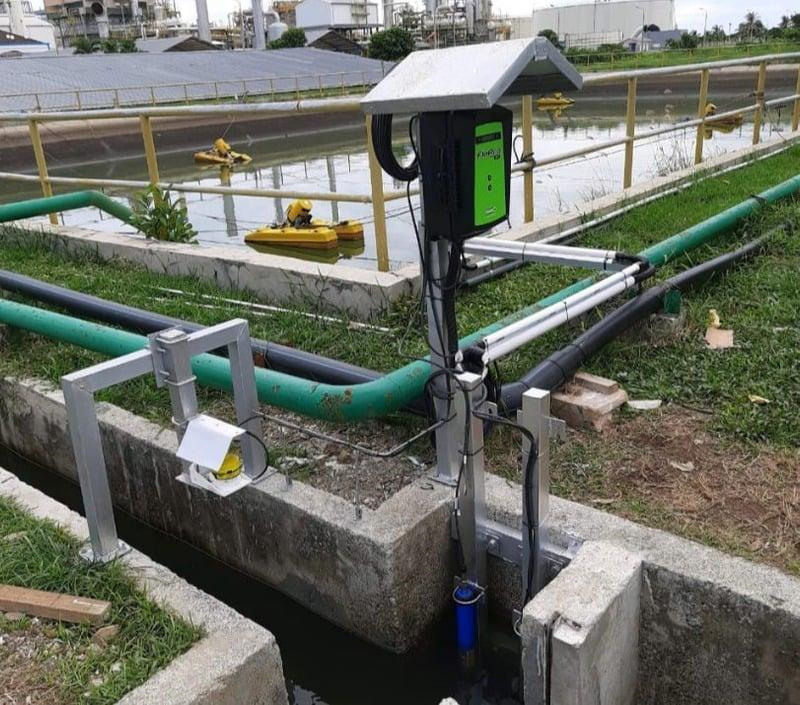
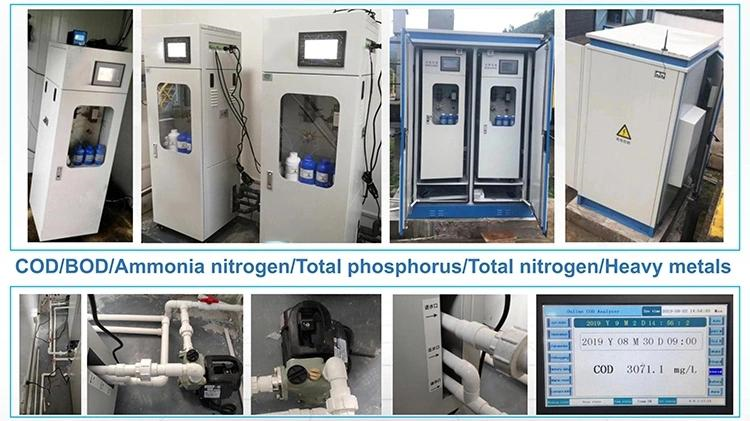
Dongrun’s online sewer network monitoring system can be deployed at key pipeline sections, branch connections, and important industrial discharge outlets. Online instruments continuously collect selected water quality parameters, including chemical oxygen demand (COD), ammonia nitrogen, total phosphorus, pH, and turbidity.
By comparing readings over time and across monitoring points, operators can identify unusual changes that require further investigation. This provides a more consistent monitoring record than relying exclusively on occasional manual sampling.
The U.S. Environmental Protection Agency’s Illicit Discharge Detection and Elimination (IDDE) Guidance Manual describes the use of indicator monitoring and follow-up investigation to identify and trace potential illegal discharges. Online monitoring can complement these methods by providing additional water quality information between field inspections.
2. Challenge: Difficult Pollution Source Investigation
When abnormal discharge is suspected, identifying the affected pipeline section and narrowing down the potential source can require repeated sampling and field investigation. This becomes more difficult when monitoring locations are widely distributed across municipal drainage networks or industrial parks.
Dongrun’s monitoring system supports installation at multiple key locations, with measurement data transmitted to a centralized management platform. When a monitored parameter exceeds its configured threshold, an alarm notification helps management personnel identify the affected monitoring point and arrange follow-up investigation.
Historical readings from different monitoring points can also help operators compare changes across the network and review when abnormal conditions occurred. This information supports pollution investigation and helps narrow the scope of field inspections.
It is important to distinguish monitoring alerts from confirmed source identification. Actual pollution sources and illegal connections still require appropriate field investigation and verification.
3. Challenge: High Manual Inspection Workload and Sampling Risks
Drainage inspection chambers and underground pipelines are often humid, enclosed, and difficult to access. Manual sampling requires personnel to visit the monitoring location repeatedly. Where sampling involves manhole or confined-space access, appropriate safety procedures are also necessary.
Continuous online data collection and remote transmission reduce the need for routine on-site attendance solely to obtain water quality readings. Operators can access monitoring information through the connected platform and review abnormal conditions before arranging targeted inspections.
The EPA’s Guide for Evaluating Capacity, Management, Operation, and Maintenance (CMOM) Programs at Sanitary Sewer Collection Systems emphasizes that sampling procedures should be safe, effective, and consistent, with records covering sampling locations, parameters, frequency, methods, and results.
By supplementing manual inspection with online monitoring, drainage operators can organize fieldwork around specific abnormal readings and monitoring requirements rather than depending entirely on routine sampling visits.
4. Challenge: Wet-Weather Changes and Pipeline Overflow Risks
During rainy seasons, urban drainage networks may experience changing water conditions, especially where stormwater and wastewater share a combined drainage system. Overflow events and changes in incoming water can make pollution supervision more complicated.
Online water quality monitoring at selected network nodes and discharge outlets helps operators observe changes and identify abnormal readings that need attention. Historical records provide additional information for reviewing water quality conditions before, during, and after rainfall-related events.
The EPA’s Combined Sewer Overflows: Guidance for Monitoring and Modeling explains the importance of monitoring rainfall, sewer flow, and water quality to understand combined sewer system responses during wet-weather events.
This makes online monitoring a useful component of urban drainage renovation, industrial park environmental management, and wet-weather pollution prevention projects.
5. Challenge: Dispersed Data and Inefficient Management
When monitoring records are collected separately at different locations, it can be difficult for management personnel to obtain a consistent overview of pipeline conditions. Historical data may also be difficult to compare when information is scattered across different records and management systems.
Dongrun’s drainage network monitoring solution supports historical data storage and connection with smart water management platforms and environmental supervision systems. This helps centralize monitoring information, review historical changes, and provide data for environmental management and regulatory reporting according to the applicable platform requirements.
A More Efficient Approach to Drainage Network Maintenance
Shandong Dongrun Instruments provides online water quality monitoring solutions for municipal drainage networks, industrial park wastewater pipelines, and rainwater-sewage separation projects. By combining multi-parameter water quality monitoring, automatic data collection, remote transmission, threshold-based alarms, and platform integration, the system supports more continuous supervision of underground drainage networks.
Whether used for aging pipeline upgrades, industrial wastewater management, or wet-weather pollution prevention, online monitoring helps reduce dependence on repeated manual sampling and provides timely information for abnormality investigation.
With a focus on reliable water analysis instruments and integrated monitoring solutions, Dongrun helps drainage operators improve digital management, strengthen wastewater supervision, and support long-term urban water environment protection.
Visit Dongrun Instruments to explore customized drainage network monitoring solutions for your project.