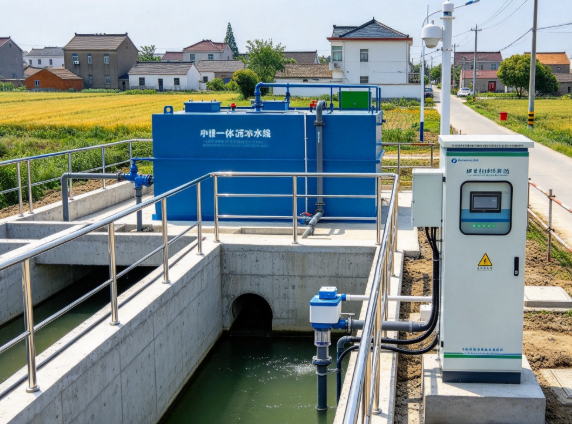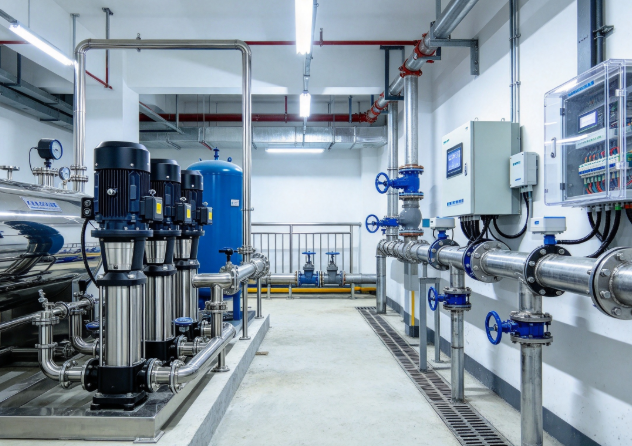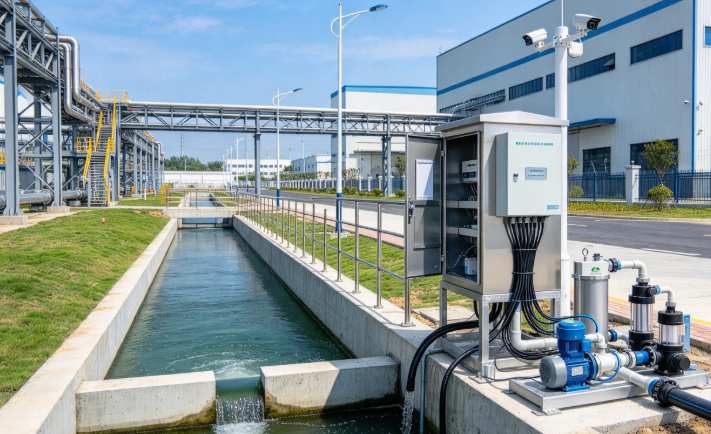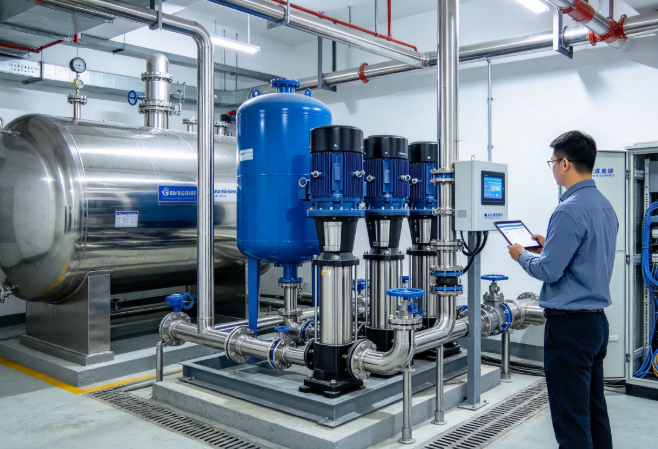
Water quality monitoring station construction for lake and reservoir water sources is critical for drinking water safety management. Unlike flowing rivers, lakes and reservoirs have unique characteristics such as water stratification and eutrophication with algal blooms. For this reason, the construction of automatic water quality monitoring stations needs to focus on four core links: monitoring site layout, monitoring parameter configuration, algae prevention in water sampling, and compliance acceptance.
Monitoring Site Layout to Ensure Representative Water Samples
Site selection is the priority to guarantee representative sampling. The monitoring station shall be placed upstream of the water intake, away from pollution discharge outlets and backwater zones that may cause interference. Thermal stratification commonly occurs in lakes and reservoirs during summer, creating obvious water quality differences between upper and lower water layers. Therefore, the water sampling device must support adjustable sampling depth to avoid data distortion caused by water stratification.
Standardized Configuration of Monitoring Parameters
Monitoring parameters shall be configured according to standard requirements. Besides the conventional five parameters: water temperature, pH, dissolved oxygen, turbidity, and conductivity, total phosphorus and total nitrogen are mandatory items in accordance with specification HJ 915-2017. Chlorophyll-a is a core indicator for calculating the TLI trophic state index for eutrophication and shall be equipped compulsorily. For reservoirs with frequent cyanobacteria outbreaks, additional monitoring equipment for algae density and blue-green algae can be deployed to provide early warning of algal bloom risks.
Algae Prevention in Water Sampling for Stable Station Operation
Algae control in sampling systems is a major difficulty for stable operation of lake and reservoir stations. Algae tend to grow rapidly in static lake and reservoir water, which easily blocks pipelines and filter units. The sampling unit shall be equipped with an automatic backwashing structure, and an anti-biofouling design shall be installed at the water intake. These measures reduce maintenance workload at the source and ensure continuous monitoring.
Compliance Acceptance in Line with Current Standards
The acceptance process must strictly follow current specifications. The station building, sampling system, and analysis units comply with HJ 915-2017 Technical Specification for Automatic Surface Water Monitoring (Trial). Newly built stations adopt the updated HJ 212-2025 protocol for data transmission instead of the old HJ212-2017 version. Protocol compatibility must be verified during equipment selection. Standard sample verification, water sample comparison, and continuous operation tests are required in the acceptance phase.
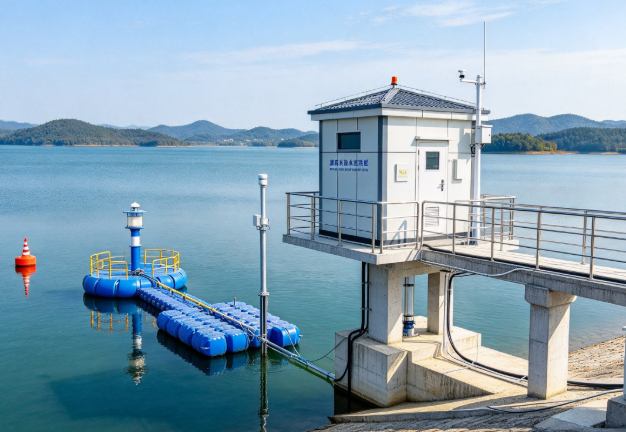
Dongrun supplies a full set of compatible instruments, covering conventional five parameters, ammonia nitrogen, permanganate index, total phosphorus, total nitrogen, chlorophyll-a, and more. All devices support the new data transmission protocol. We also provide integrated services including site survey, design, platform docking, and acceptance support.