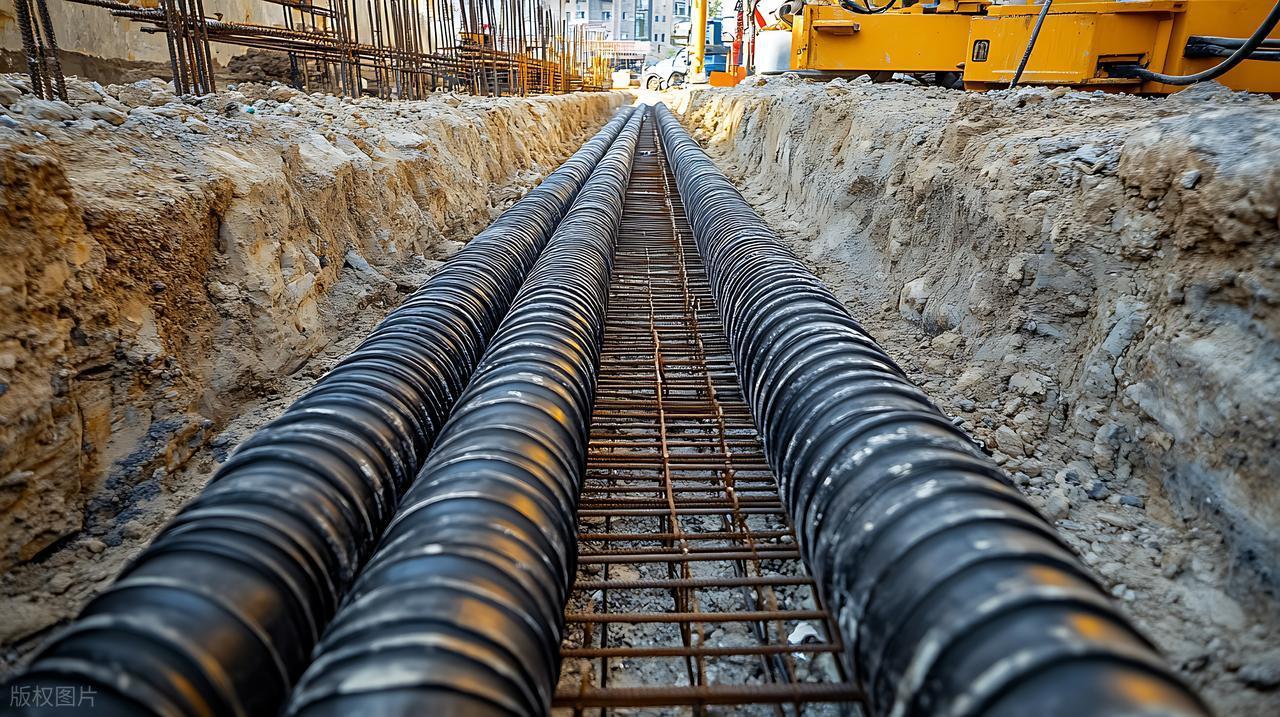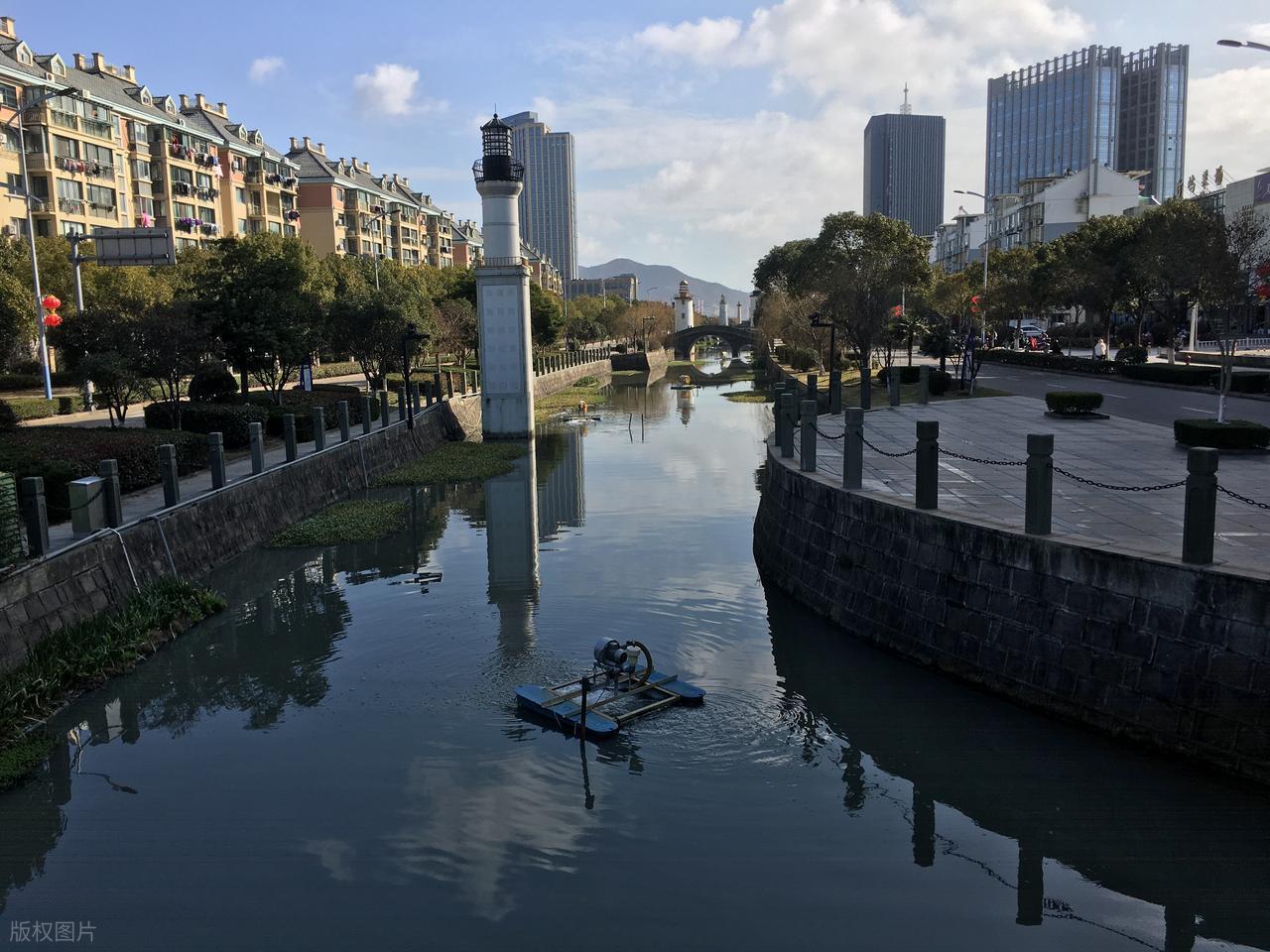
Municipal drainage network renovation is an important part of urban water environment management. As cities upgrade aging sewer pipelines and improve drainage infrastructure, traditional management based on manual inspections and periodic water sampling may no longer provide sufficient visibility into changing wastewater conditions. Hidden discharge points, rainwater-sewage cross-connections, abnormal wastewater quality, and wet-weather overflow risks can make routine supervision difficult.
An online water quality monitoring system for municipal drainage networks adds a continuous monitoring component to infrastructure renovation. Shandong Dongrun Instruments provides an integrated monitoring solution designed for underground drainage pipelines, municipal sewer networks, and industrial park wastewater outlets. It monitors key parameters including pH, turbidity, chemical oxygen demand (COD), and ammonia nitrogen, helping operators obtain timely water quality information and improve digital drainage management.
1. Improve Visibility Across Upgraded Drainage Networks
Renovating pipelines and drainage facilities is only one part of improving municipal drainage management. After construction, operators also need reliable information about water quality conditions at important network locations.
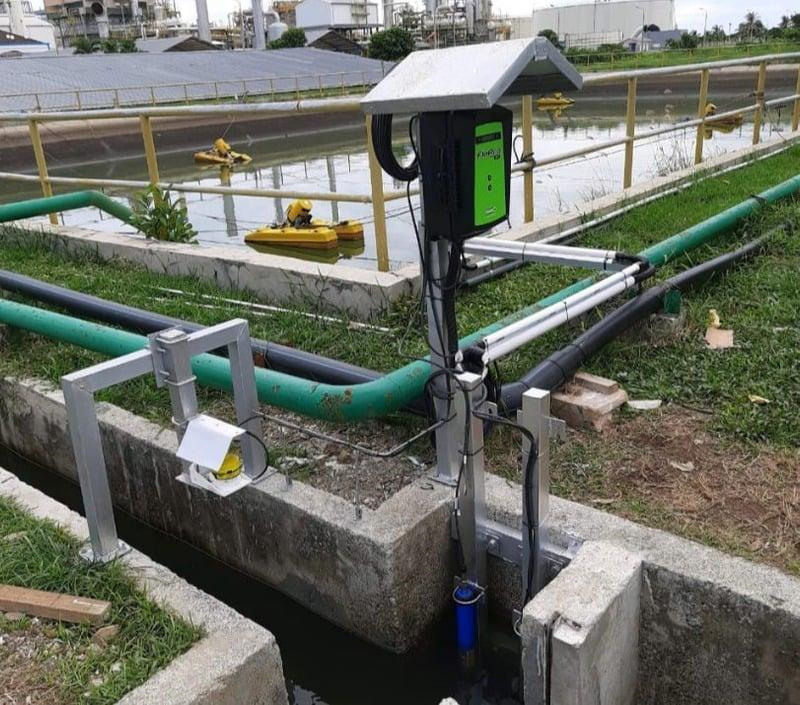
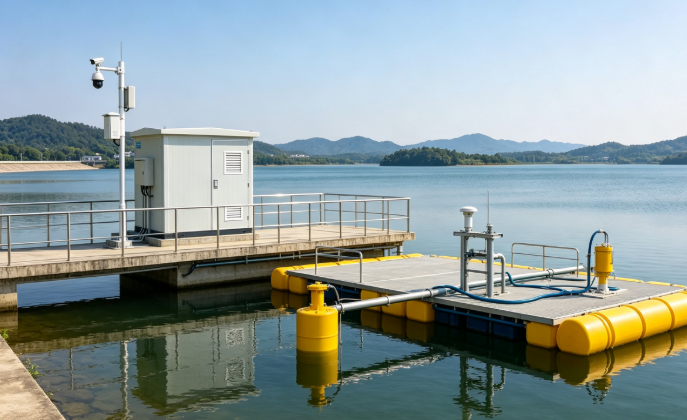
Online monitoring points can be installed at key pipeline nodes, river discharge outlets, and industrial park drainage exits. Instead of relying entirely on periodic manual sampling, the system collects water quality data continuously and transmits readings to a centralized management platform.
This creates a more consistent record of changing conditions across selected sections of the drainage network. It also provides useful information for managing upgraded infrastructure and reviewing water quality conditions during routine operation.
The U.S. Environmental Protection Agency (EPA), in its guidance on Smart Sewer Technologies, identifies real-time continuous monitoring as an important tool for wastewater system operation. Remote sensors can transmit monitoring data to central databases, helping utilities identify potential problem areas and support maintenance and infrastructure planning.
2. Identify Abnormal Discharges and Support Pollution Investigation
Underground drainage networks are difficult to supervise because wastewater discharge activities are not always visible from the surface. Industrial wastewater entering municipal pipelines, illegal connections, and abnormal discharge events may occur between scheduled inspections.
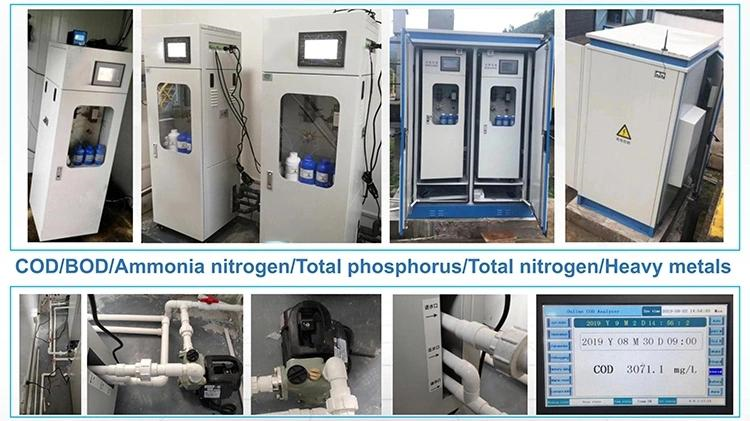
Dongrun‘s online monitoring solution continuously collects pH, turbidity, COD, and ammonia nitrogen readings. When a monitored value exceeds its configured threshold, the system generates an alert and sends the information to the connected platform.
Management personnel can then review the affected monitoring point, compare historical readings, and arrange targeted sampling or field investigation. This helps narrow down the area requiring further inspection and supports the investigation of suspected illegal discharge and rainwater-sewage cross-connections.
The EPA’s Illicit Discharge Detection and Elimination Program guidance explains the importance of system mapping, inspection, monitoring, and follow-up investigation when identifying unauthorized discharges into municipal storm sewer networks. Online water quality monitoring can complement these activities by providing additional data from selected drainage locations.
3. Strengthen Wet-Weather and Overflow Risk Management
During heavy rainfall, drainage networks may experience rapidly changing conditions, particularly in areas with combined rainwater and wastewater pipelines. These changes can create additional challenges for water environment supervision and pollution control.
Installing online monitoring equipment at selected drainage nodes and discharge outlets helps operators observe water quality changes during different operating conditions. Historical data can also support comparisons before, during, and after rainfall events, providing additional information for investigating abnormal discharges.
The EPA’s Combined Sewer Overflows: Guidance for Monitoring and Modeling discusses the monitoring of rainfall, sewer flow, and pollutant data to understand how combined sewer systems respond to wet-weather events.
For municipal renovation projects, online water quality monitoring can therefore form part of a broader stormwater and wastewater management strategy. It provides monitoring information for risk assessment and follow-up investigation, although overflow prevention also requires appropriate drainage capacity, hydraulic monitoring, and operational control measures.
4. Support Remote Management and Centralized Data Records
Traditional drainage inspection requires personnel to visit different monitoring locations and collect samples manually. Underground environments may also involve humidity, accumulated water, restricted access, and other difficult operating conditions.
Dongrun’s monitoring equipment is designed for these demanding underground applications, with a focus on stable operation, resistance to environmental interference, and reduced dependence on frequent manual attendance. Automatic data collection and remote transmission allow operators to review monitoring information through connected management platforms.
The system also supports historical data storage and connection with smart water management and environmental supervision systems. Centralized records make it easier to review water quality changes, compare monitoring locations, and organize information for environmental management and reporting according to applicable requirements.
5. Support Smarter Municipal Drainage Renovation
Online monitoring is particularly relevant to several types of infrastructure projects:
- Aging municipal drainage network renovation: Add water quality monitoring at important pipeline nodes to improve operational visibility after infrastructure upgrades.
- Sponge city construction: Support water environment supervision through monitoring at selected drainage locations and discharge outlets.
- Industrial park wastewater management: Monitor water quality at industrial drainage exits and key pipeline connections.
- Wet-weather pollution management: Collect water quality information to assist the investigation of abnormal conditions during rainy periods.
By integrating online monitoring into drainage renovation projects, municipal authorities can establish a more continuous approach to water quality supervision instead of depending exclusively on periodic sampling.
Dongrun Online Water Quality Monitoring Solution for Municipal Drainage Networks
Shandong Dongrun Instruments provides online drainage network monitoring solutions covering equipment supply, water quality measurement, automatic data collection, remote transmission, and platform integration.
The system supports monitoring of pH, turbidity, COD, and ammonia nitrogen at selected locations across municipal drainage networks and industrial park wastewater pipelines. With automated monitoring, threshold-based alarms, and historical data management, it provides useful information for identifying abnormal water quality conditions and supporting follow-up investigation.
Integrating online water quality monitoring into municipal drainage network renovation helps improve digital supervision, reduce reliance on repeated manual sampling, and strengthen long-term urban water environment management.
Visit Dongrun Instruments to explore drainage network monitoring solutions for your municipal or industrial project.