Biological tank monitoring serves as the core of process control for municipal wastewater treatment plants. The biological tank is the central unit for biochemical wastewater treatment. Parameters inside the tank, such as dissolved oxygen, sludge concentration, ammonia nitrogen, and pH value, directly determine the efficiency of nitrification and denitrification reactions. Traditional manual timed sampling and testing suffer from obvious time lag. Operators cannot adjust aeration, return sludge, and sludge discharge conditions promptly. This easily leads to effluent standard violations, excessive energy consumption, and sludge bulking problems.
Dongrun Instruments’ online water quality monitoring solution for wastewater plant biological tanks focuses on process control in the biological treatment section. It realizes real-time monitoring and linked regulation to stabilize the operation of the biological treatment system.
Monitoring Point Layout and Targeted Instrument Configuration
Parameter Setup for Different Process Zones
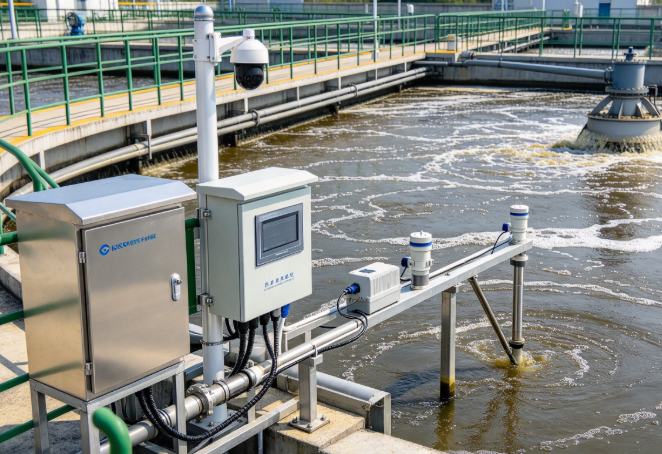
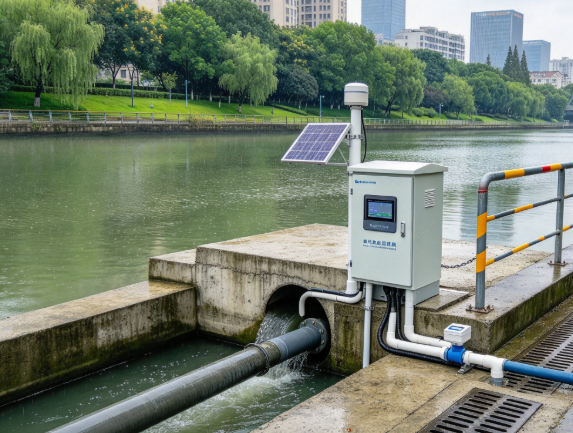
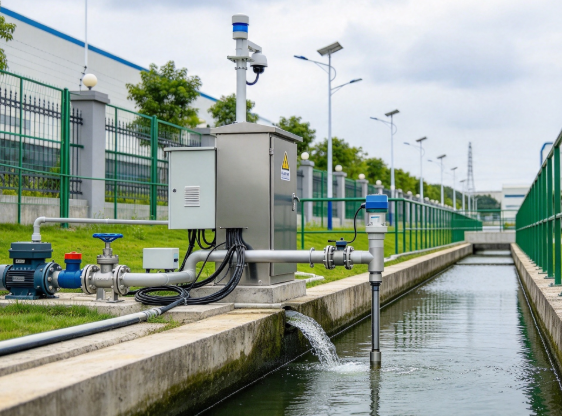
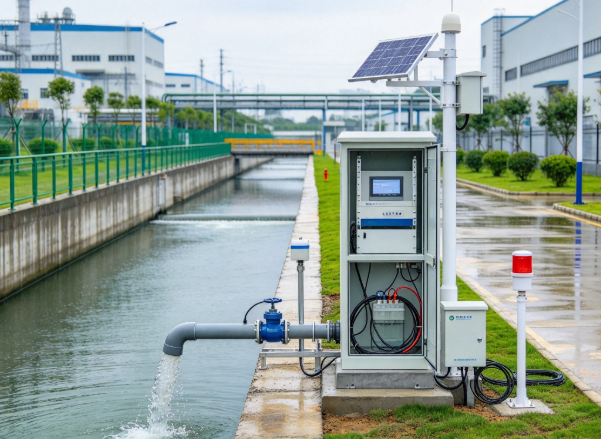
Monitoring points are arranged by process section, including aerobic tanks, anoxic tanks, and anaerobic tanks. Targeted online monitoring instruments are deployed for each zone. The main process indicators under monitoring include dissolved oxygen (DO), MLSS (mixed liquor suspended solids), pH, ORP, ammonia nitrogen, and nitrate nitrogen.
Accurate monitoring of these key parameters provides direct data support for judging the metabolic state of activated sludge. Operators can clearly grasp the progress of nitrification and denitrification reactions, instead of adjusting process parameters merely based on experience.
Submerged Sampling Structure with Anti-fouling Design
The solution is equipped with submerged sampling protection structures to adapt to working conditions with high sludge content and high suspended solids. The instruments are built with automatic cleaning devices. This design effectively reduces sludge fouling on sensor surfaces and lowers manual maintenance frequency.
Reliable anti-fouling design is essential for long-term stable operation in biological tanks. Compared with ordinary monitoring instruments, the self-cleaning structure greatly extends calibration intervals and reduces downtime caused by sensor contamination.
Data Acquisition and Linked Process Regulation
The system is equipped with a data acquisition terminal. All collected monitoring data is uploaded to the central control platform in real time. It supports functions such as data trend curve viewing and threshold exceedance alarms. More importantly, the system can be linked with aeration blowers and internal return pumps to realize fine-tuned process regulation.
Closed-loop control based on real-time monitoring data avoids excessive aeration caused by blind operation. It keeps dissolved oxygen and sludge concentration within the optimal range continuously and maintains stable treatment efficiency under fluctuating influent load.
Practical Benefits of Biological Tank Process Monitoring
With online biological tank monitoring, operation and maintenance personnel can dynamically grasp the living environment of microorganisms inside the biological tank. They can predict sludge abnormalities in advance and stabilize the biochemical treatment effect. On the premise of ensuring stable and up-to-standard effluent, the solution reduces aeration energy consumption effectively, helping wastewater plants achieve cost reduction, energy savings, and intelligent operation.
Visit https://www.dongrun-instrument.com/ to learn more about online process monitoring solutions for wastewater biological treatment systems.