A drainage network water quality monitoring system helps utilities and environmental managers understand changing water conditions across municipal drainage networks, industrial park wastewater pipelines, and combined sewer networks. These systems are often difficult to supervise because pipes and inspection points are distributed underground, operating environments are wet and enclosed, and wastewater may contain suspended solids and other interfering materials. Periodic manual sampling can leave gaps between inspections, making it harder to identify short-term abnormal discharges or respond promptly.
Shandong Dongrun Instruments provides an online monitoring solution designed for these drainage network applications. It continuously monitors key water quality parameters, automatically collects and processes measurement data, and transmits readings to a remote management platform for centralized supervision.
1. Where Is a Drainage Network Water Quality Monitoring System Used?
Municipal drainage networks. In urban drainage systems, monitoring points can be arranged along main pipelines, branch connections, and important discharge outlets. Continuous water quality information helps operators review changing conditions across different sections of the network and identify locations that require further inspection. This is relevant to urban water environment improvement projects and the renovation or upgrade of aging drainage infrastructure.
Industrial park wastewater networks. Industrial parks may contain multiple drainage branches and discharge points serving different production areas. Online monitoring at selected locations can help environmental managers identify unusual changes in wastewater quality and investigate potential abnormal discharges. Compared with relying only on periodic sampling, continuous readings provide a more timely record of changes between inspections.
Combined sewer networks. In areas where rainwater and sewage share a drainage network, water conditions can change during wet weather. Monitoring selected nodes and outlets helps managers observe water quality changes and review potential overflow or mixed-discharge issues. The U.S. Environmental Protection Agency’s Combined Sewer Overflows: Guidance for Monitoring and Modeling discusses site-specific monitoring of rainfall, combined sewer flow, and water quality. It is a useful technical reference when planning monitoring for combined sewer systems.
Urban water environment and wet-weather pollution control. For projects focused on river protection, drainage network renovation, or pollution prevention during the rainy season, online monitoring can provide additional information at selected pipeline nodes and discharge outlets. The monitoring data can help identify abnormal locations for follow-up inspection and support pollution-control management.
2. Which Water Quality Parameters Can Be Monitored?
The Dongrun drainage network monitoring solution covers key parameters including chemical oxygen demand (COD), ammonia nitrogen, pH, and turbidity. These indicators provide information about organic pollution, nitrogen-related pollution, acidity or alkalinity, and suspended particles in wastewater.
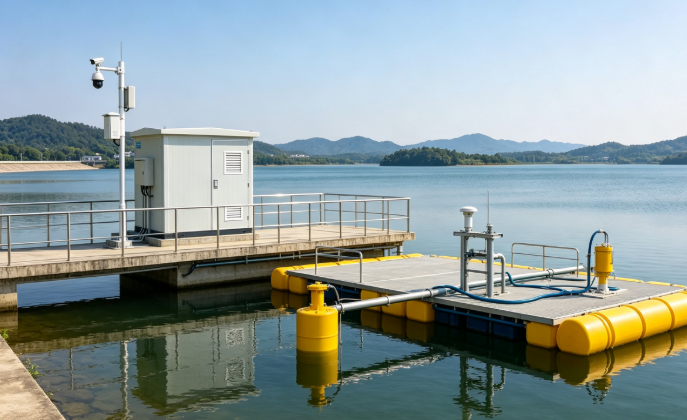
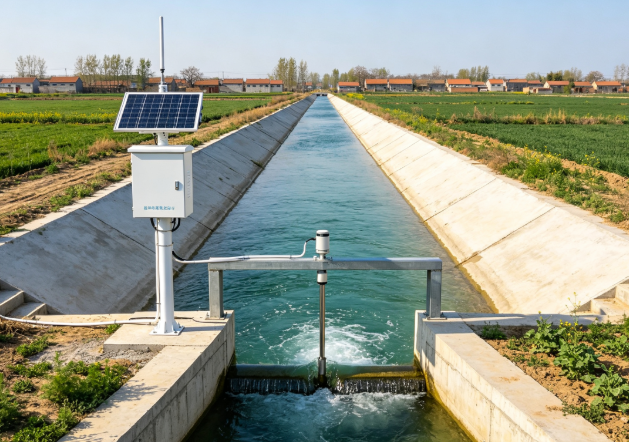
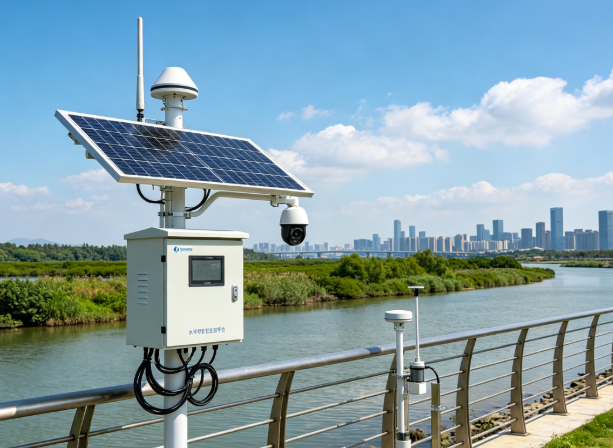
The parameter configuration should be selected according to the monitoring objective, the characteristics of the wastewater, and the requirements of each project. Monitoring stations can be installed at main pipeline sections, branch nodes, and key pollution discharge outlets to collect readings from locations that are important to network supervision.
Dongrun’s online COD analyzers and online ammonia nitrogen analyzers can be considered for projects requiring these measurements. The company’s broader urban drainage network monitoring system solution integrates monitoring points with a management platform.
3. How Does Online Monitoring Improve Network Supervision?
The system automatically collects water quality readings, processes the data, and transmits information to a remote supervision platform. When a monitored value exceeds its configured threshold, the system can issue an alarm so that responsible personnel can review the affected monitoring point and arrange follow-up checks.
This approach helps address a key limitation of manual inspection: an abnormal discharge may occur between scheduled sampling visits. Continuous online monitoring provides a more complete time-based record and helps staff identify when and where changes occur. It can also support the investigation of suspected illegal discharge, rainwater-sewage cross-connections, pipeline overflow, and wastewater leakage. Monitoring data helps narrow down abnormal locations; determining the actual cause still requires site investigation and appropriate follow-up.
4. Key Advantages for Complex Drainage Environments
Drainage pipelines and inspection chambers can be humid, enclosed, and exposed to wastewater containing suspended matter and debris. The Dongrun solution is designed for these demanding operating conditions, with an emphasis on stable measurement, resistance to interference, low operating power, and reduced need for frequent manual intervention.
Automatic data collection and remote transmission reduce dependence on repeated manual sampling and provide managers with timely access to monitoring information. Alarm functions help draw attention to water quality values outside configured limits, while connection with smart water management and environmental supervision platforms supports centralized digital management.
For combined sewer and wet-weather applications, monitoring plans should reflect local network conditions and the monitoring objectives. The European Commission’s revised Urban Wastewater Treatment Directive entered into force on 1 January 2025 and calls for digital tools to be considered, where technically feasible and appropriate, in the operational management of collecting systems and wastewater treatment plants. This provides a wider policy context for digital wastewater management, rather than a product-specific approval or certification.
5. Dongrun’s Online Drainage Network Monitoring Solution
Shandong Dongrun Instruments provides an online water quality monitoring system for municipal drainage networks, industrial park wastewater pipelines, and combined sewer applications. By placing monitoring points at key pipeline sections, branch nodes, and important discharge outlets, the solution collects COD, ammonia nitrogen, pH, and turbidity data for remote supervision.
The system can be connected with smart water management and environmental supervision platforms to support abnormality alerts, pollution investigation, and daily network management. It is suitable for urban water environment improvement, aging drainage network upgrades, industrial park environmental management, and wet-weather pollution prevention projects.
With online monitoring, automatic data collection, and centralized access to measurement information, Dongrun helps drainage operators move beyond periodic manual sampling toward more continuous and responsive water quality supervision. Contact Dongrun Instruments to discuss a drainage network monitoring configuration for your project.