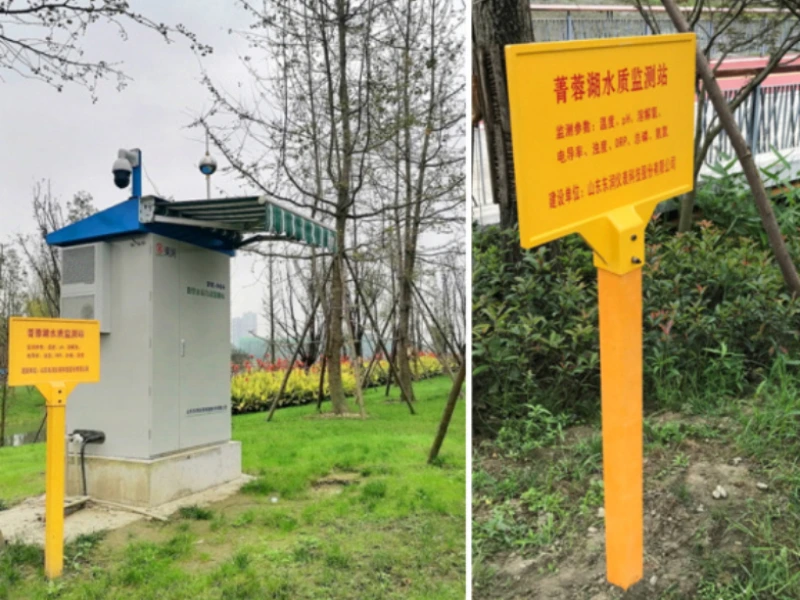
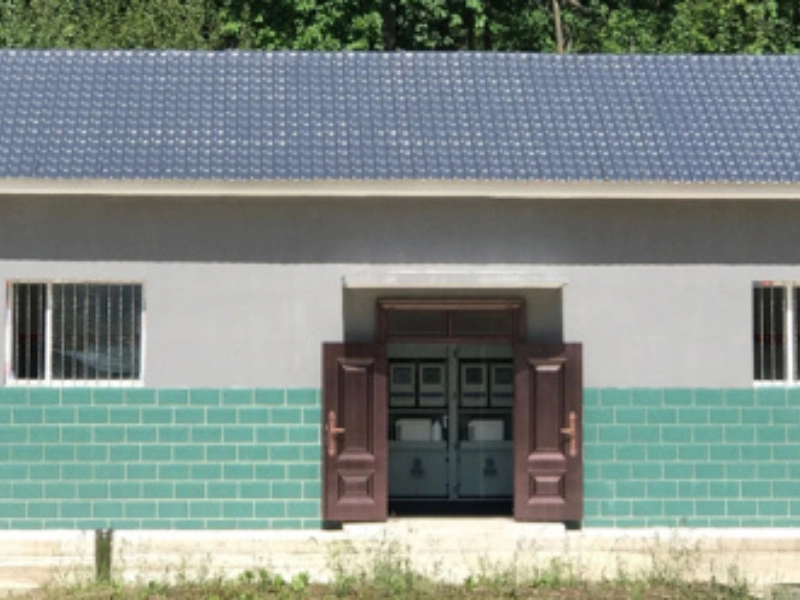
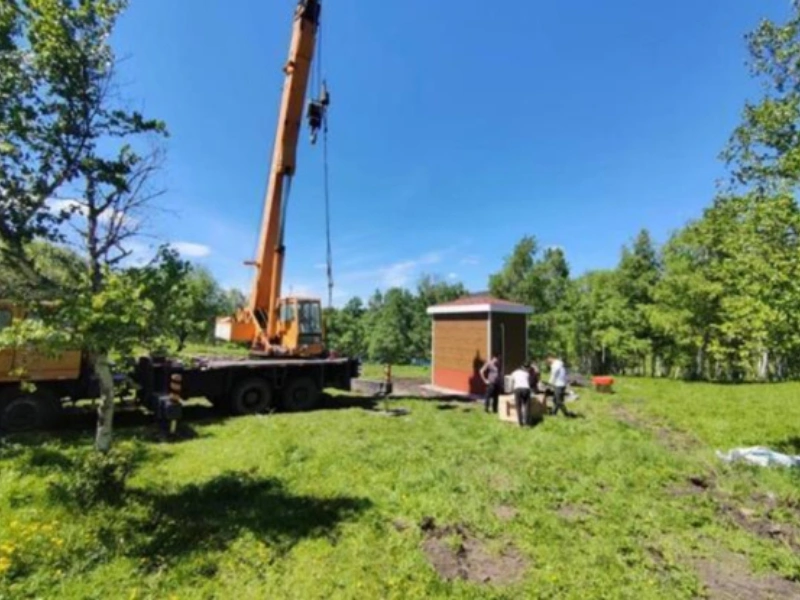
Surface water monitoring stations are set up in lakes, reservoirs, drinking water sources, rivers and other basins in the form of fixed stations, container stations and landscape stations.
They are on-site water quality automatic monitoring laboratories. Surface water stations are a real-time monitoring system that combines multiple water quality monitoring and analysis instruments together with corresponding software to control water intake, filtration, sand settling, cleaning, instrument analysis, data storage, data transmission, etc. The system has functions such as remote control, data collation, over-limit recording, power outage protection and automatic call recovery.
The normal operation of the water station can enable the environmental protection management department to timely grasp the water quality and pollutant flux, warn and forecast water pollution accidents, and ensure water ecological safety.
Solution Features and Advantages
Adopting advanced intelligent system design concepts, integrating water sample collection, water sample pretreatment, water quality online analyzer, automatic control, data collection and transmission, automatic quality control, automatic water quality sample retention, remote monitoring, etc.
Complying with the latest national technical specifications and standards for automatic monitoring of surface water environment, the monitoring data is accurate and efficient
With complete full-process quality control and sample retention functions: it can automatically realize zero point verification, span verification, 24-hour zero point drift, 24-hour span drift, spiked recovery rate, parallel sample testing and other quality control functions, and can realize online sample retention to ensure accurate and effective monitoring data
According to different customer needs and application scenarios, you can choose fixed station, mobile station, micro station, landscape station and other forms
Comprehensive monitoring factors: covering five conventional parameters (pH, conductivity, dissolved oxygen, turbidity, temperature), ammonia nitrogen, permanganate index, total phosphorus, total nitrogen, chlorophyll, blue-green algae, chemical oxygen demand, nitrate nitrogen, total organic carbon (TOC), volatile organic compounds (VOC) in water, biological toxicity, flow rate, flow, water level, etc.
With multiple operating modes such as conventional, emergency, quality control, and debugging
The system is reasonably designed, reliable, practical, economical, simple and convenient to operate and maintain, low operating and maintenance costs, and safe and simple operation
Scope of application/field
Water quality monitoring at water sources
Water quality monitoring at factories, networks, rivers, lakes and reservoirs
Surface water/groundwater quality monitoring
Polluted water quality monitoring at lakes and seas
Automatic water quality monitoring and networking management
Comprehensive supervision of water ecological environment
Monitoring and supervision of comprehensive river management
Related Cases
Jingrong Lake Water Quality Monitoring Station Project
Dunhua Xiangshui Water Source Ecological Protection and Restoration Project Water Quality Automatic Testing Station
Alxan City Halaha River Water Environment Grid Smart Supervision Platform Project